

Risaia del Duca: Where Smart Farming, Research and...
Industrial Wastewater Treatment
Technologies & Equipment
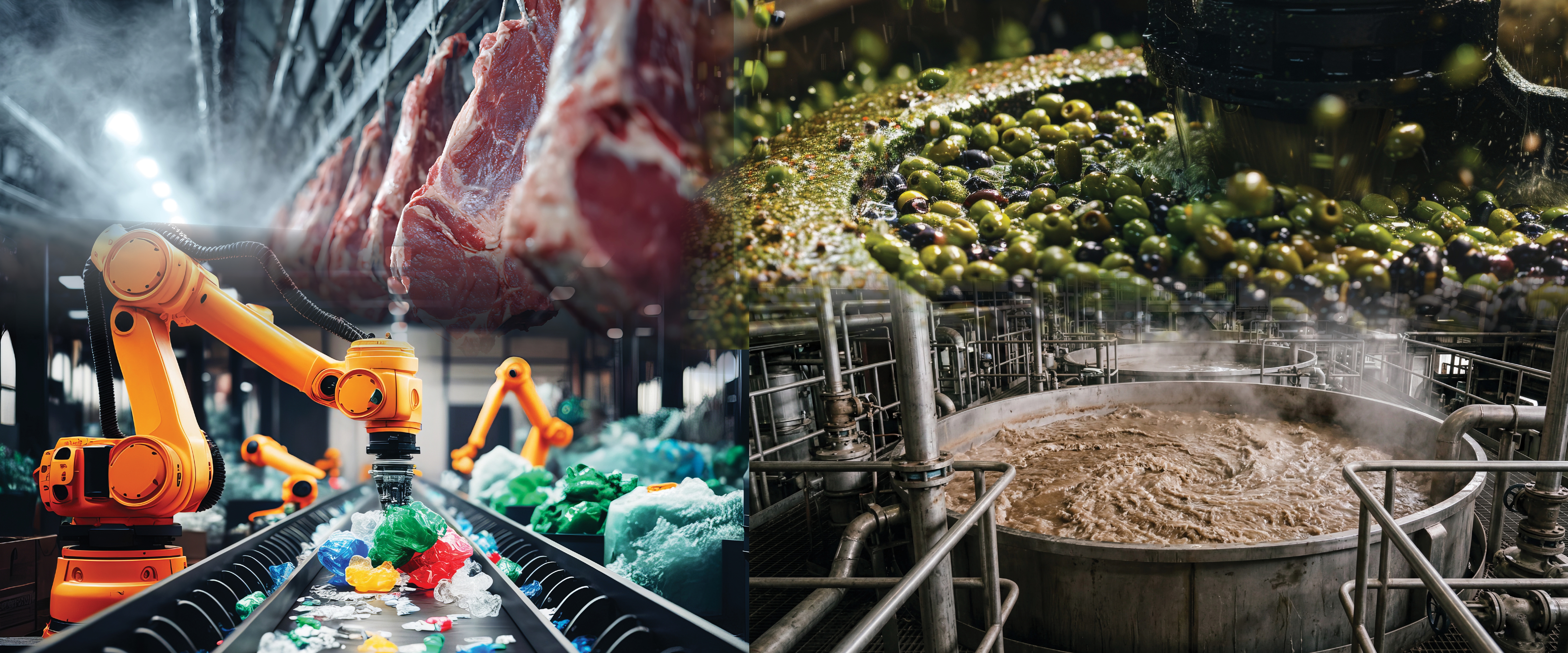
Drawing on decades of experience in municipal wastewater engineering, SAVECO® has developed extensive expertise in industrial applications. Notable examples include abattoir (slaughterhouse) waste, wastewater from the plastics and pulp & paper industries, as well as residues from olive processing.
Alongside the application-specific equipment developed for the treatment of particular industrial waste streams, the industrial facilities referred to below are typically equipped with a wastewater treatment plant. These plants, regardless of size, can integrate a variety of SAVECO products that are extensively used in municipal wastewater treatment applications and may be customised to meet the specific requirements of each application.
Abattoir (Slaughterhouse) Effluent Treatment
Abattoir (slaughterhouse) wastewater treatment involves the safe management and processing of by-products and waste generated during animal slaughter and meat processing, helping to protect both public health and the environment. Waste streams typically include wastewater containing blood, fats, manure and cleaning chemicals, as well as solid materials such as bones, hides, feathers and offal. The treatment process includes the collection and separation of waste, removal of solids and fats, biological treatment to break down organic matter, and disinfection to reduce pathogens. Valuable by-products can be recovered and converted into animal feed ingredients, fertilisers, biogas or industrial fats, while non-reusable materials are safely disposed of. The primary aims are to prevent pollution, control odours and disease risks, recover resources, and ensure compliance with environmental regulations. Modern facilities increasingly use anaerobic digestion to transform organic waste into renewable energy.
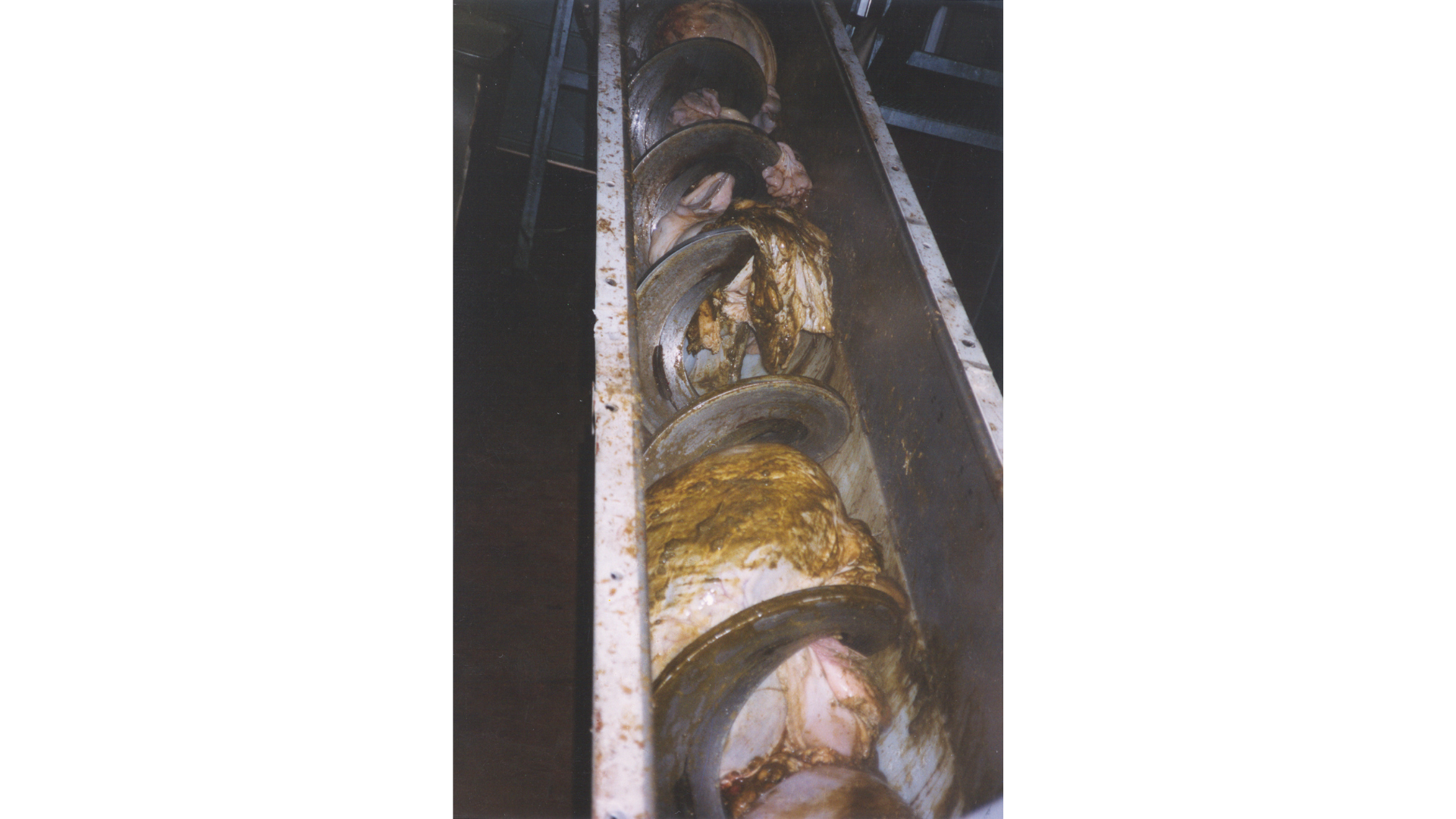
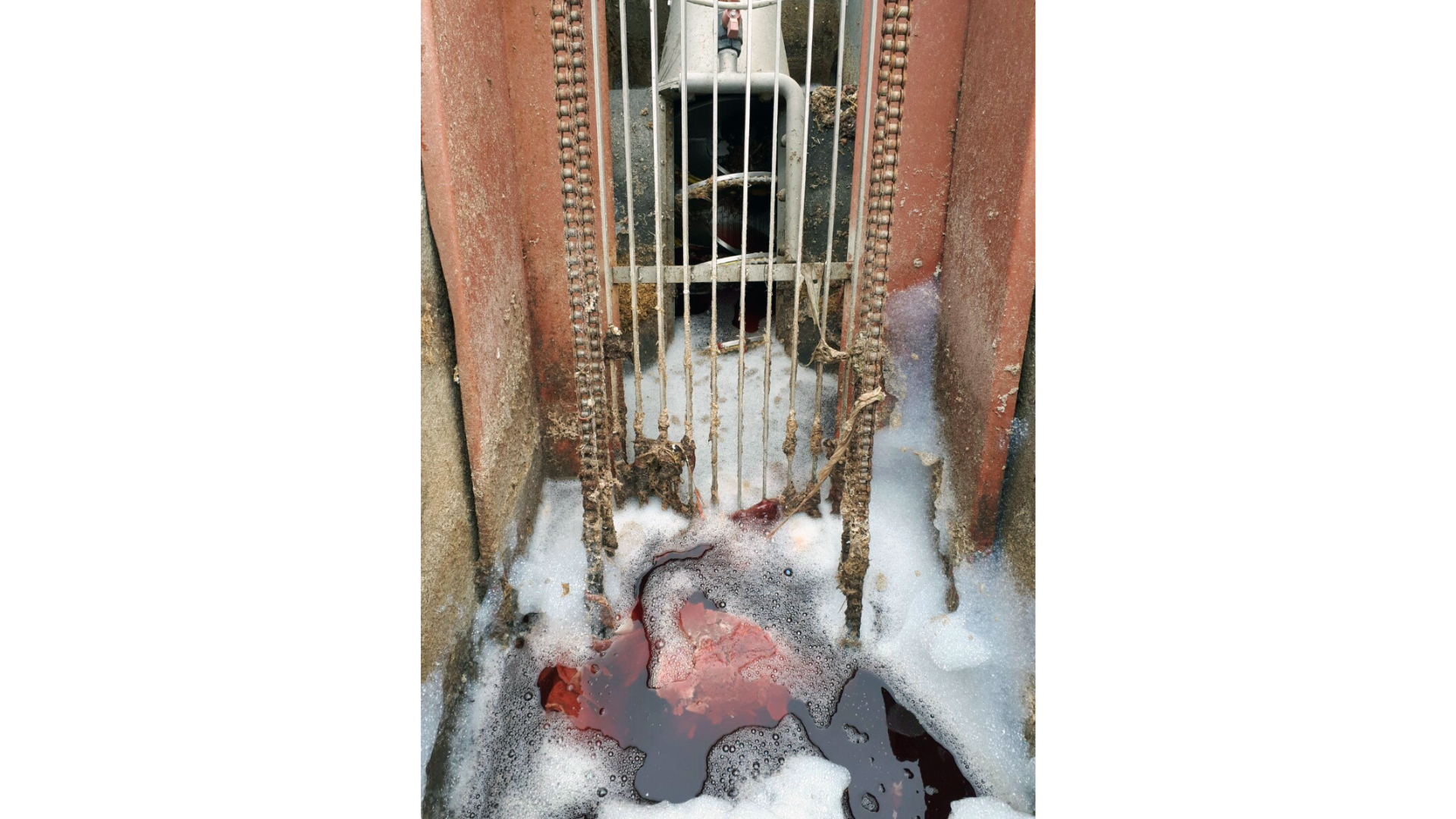
SAVECO supplies a range of specialised machines and equipment designed to support efficient wastewater treatment in abattoirs. During cattle slaughtering operations, wastewater is typically managed through separate treatment lines: the red line, which handles blood, and the green line, dedicated to stomach contents, commonly referred to as rumen.
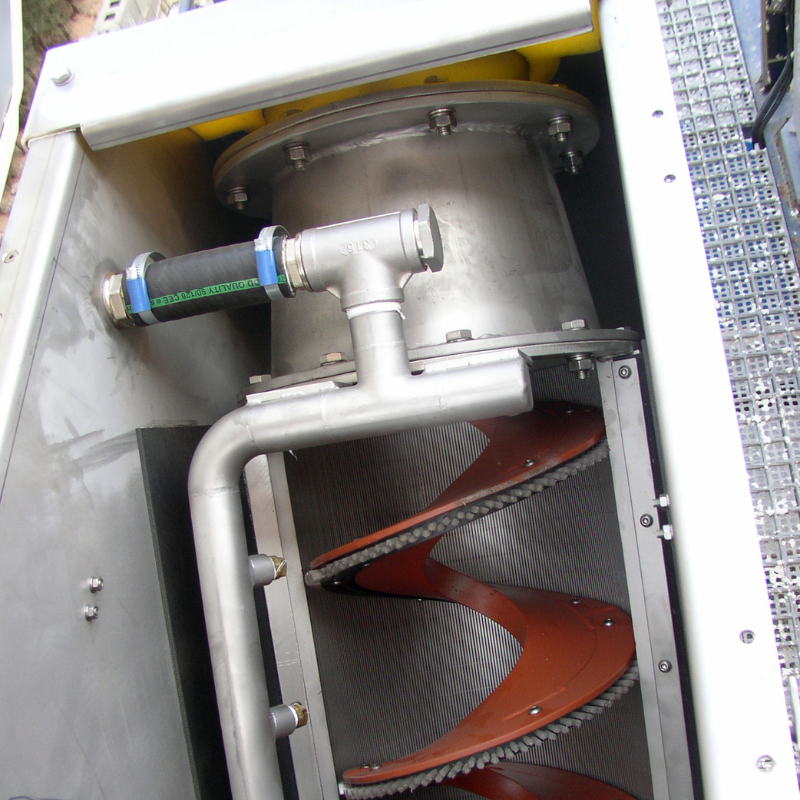
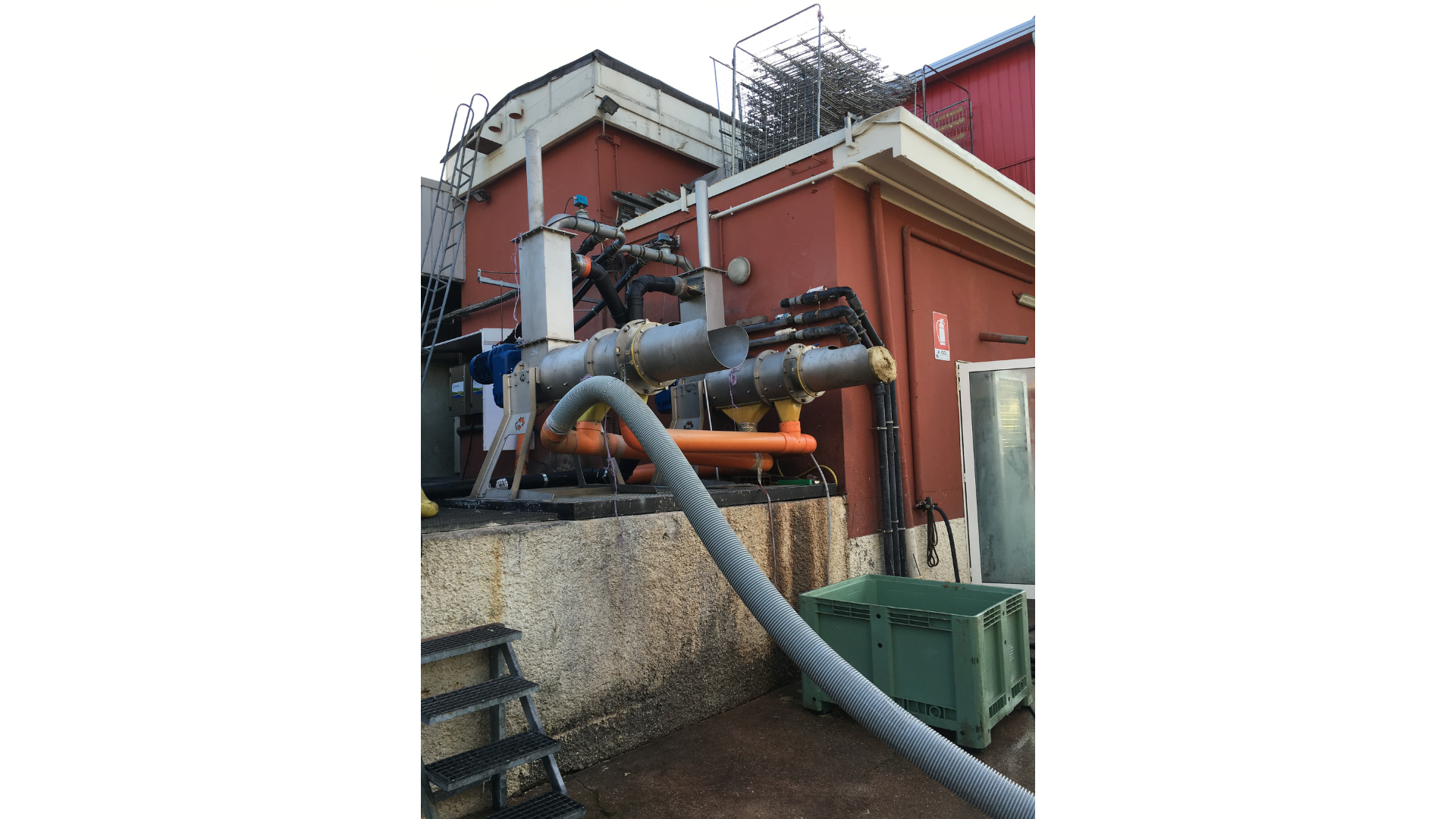
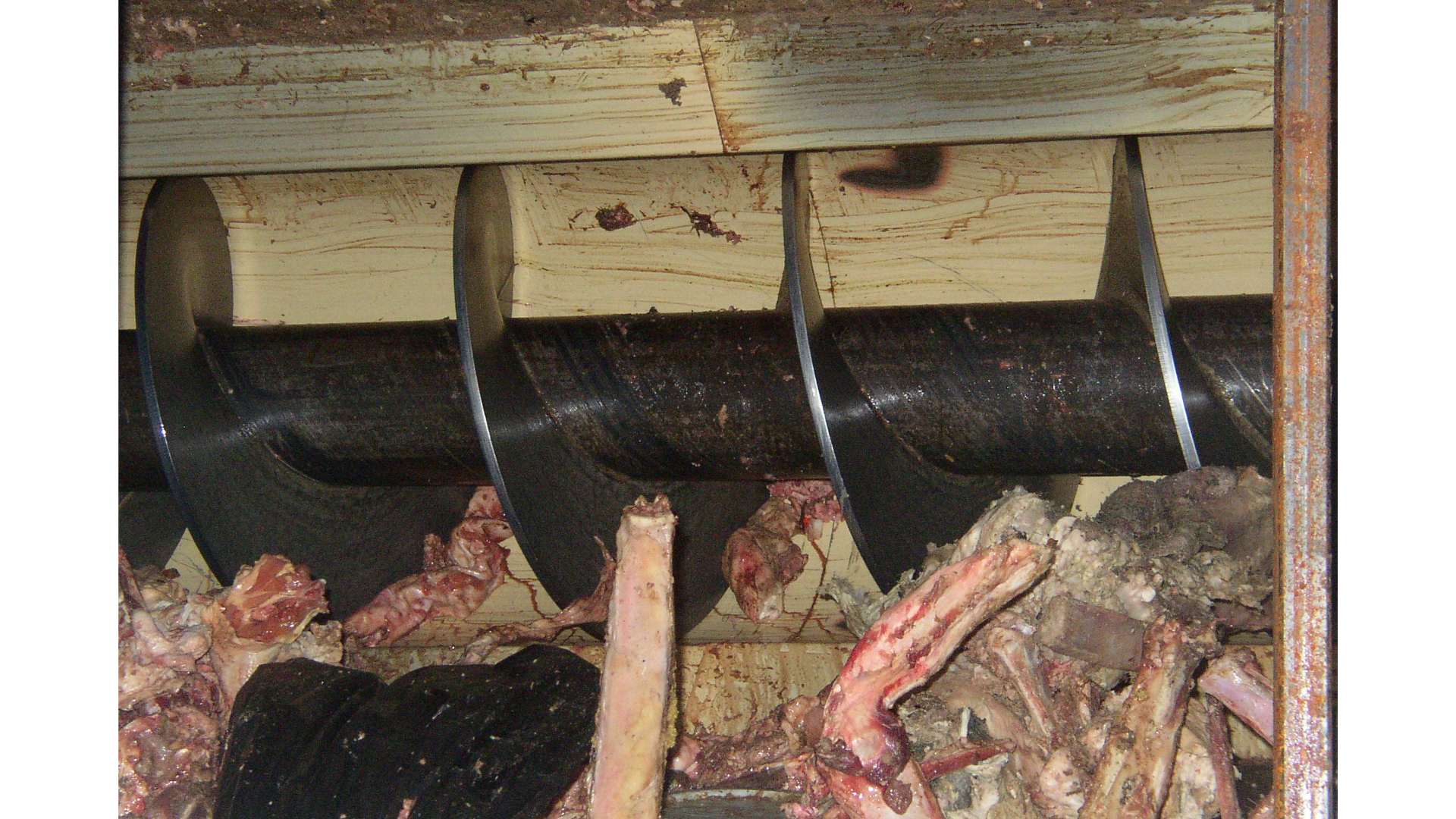
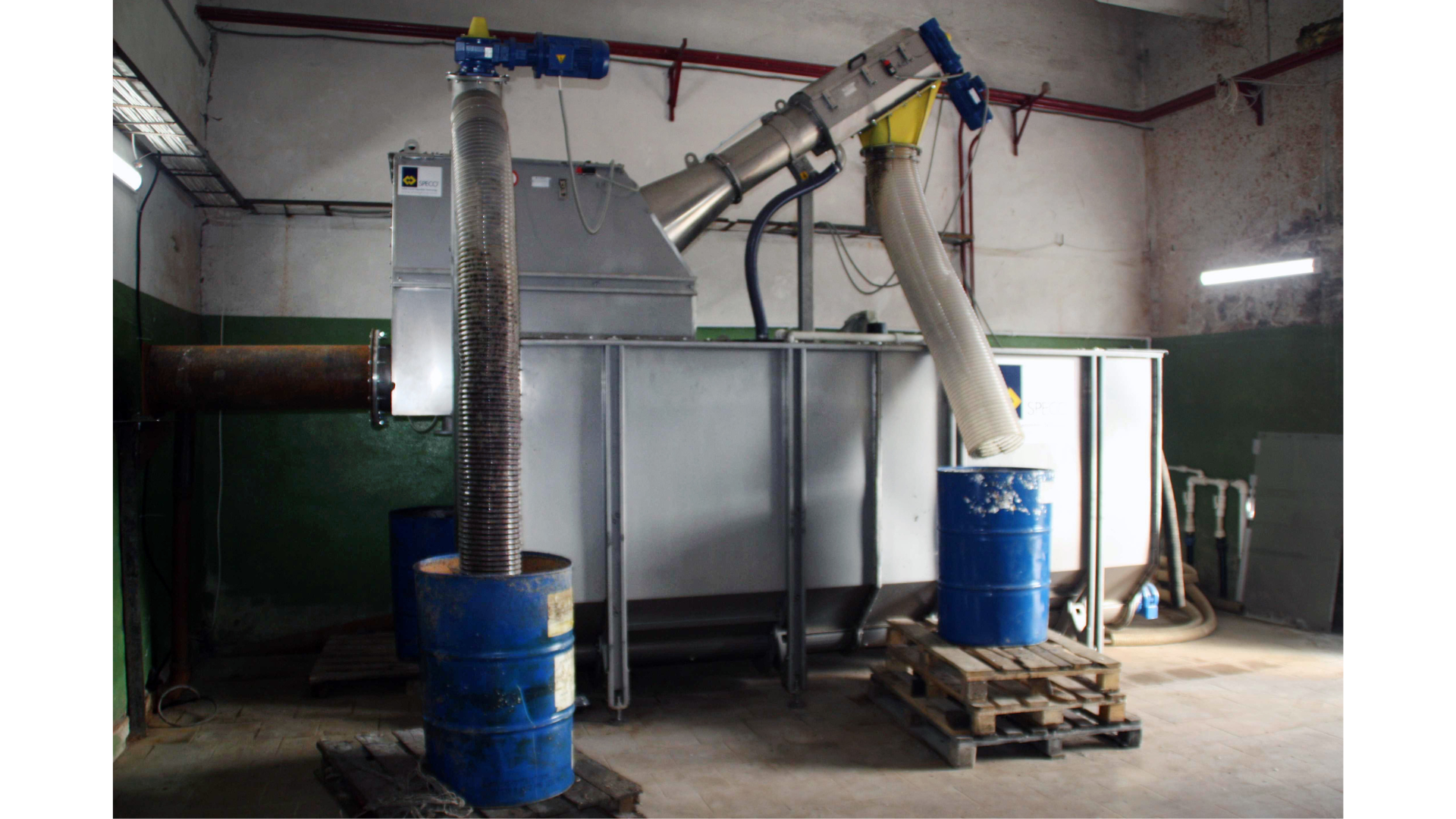
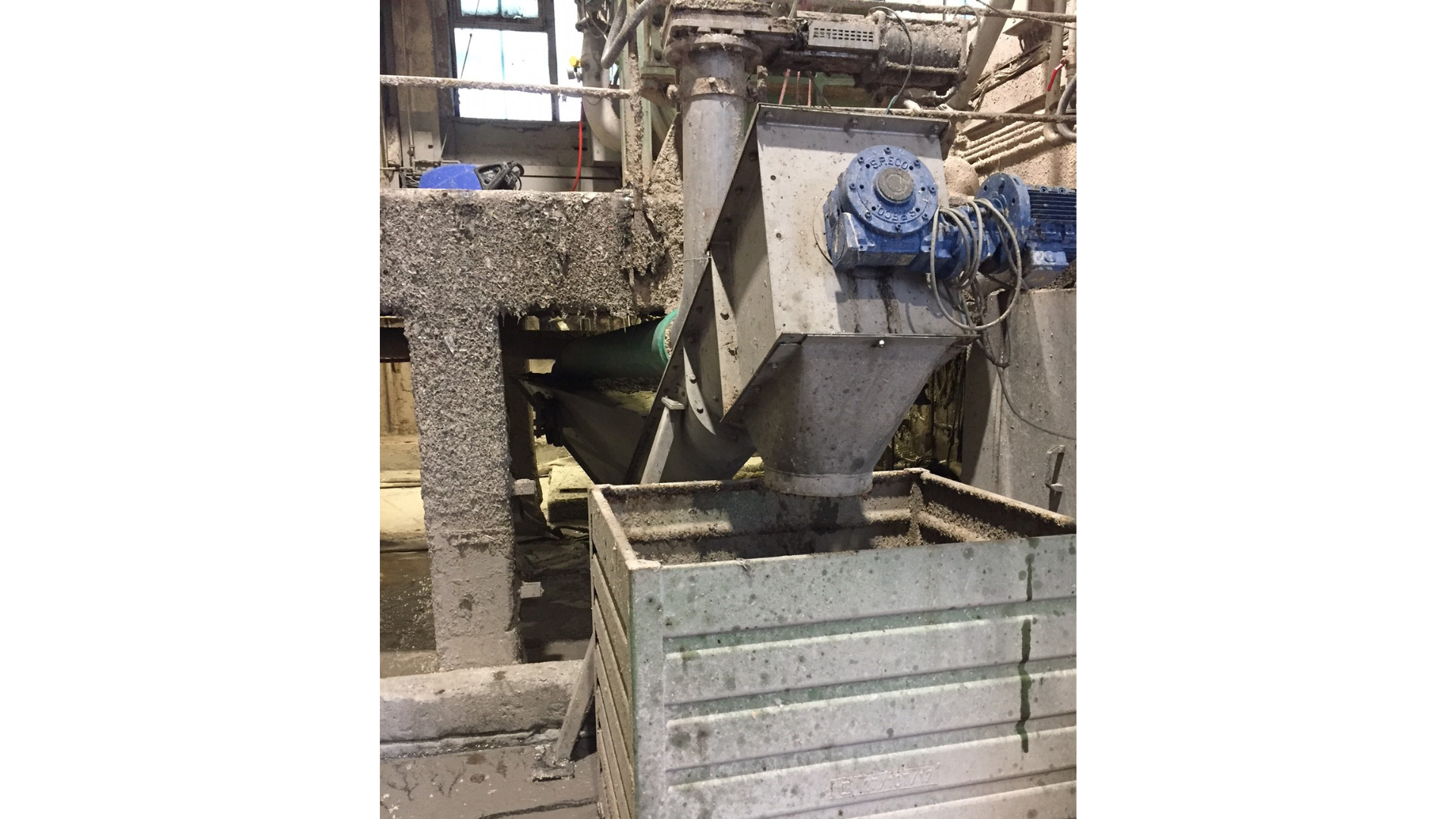
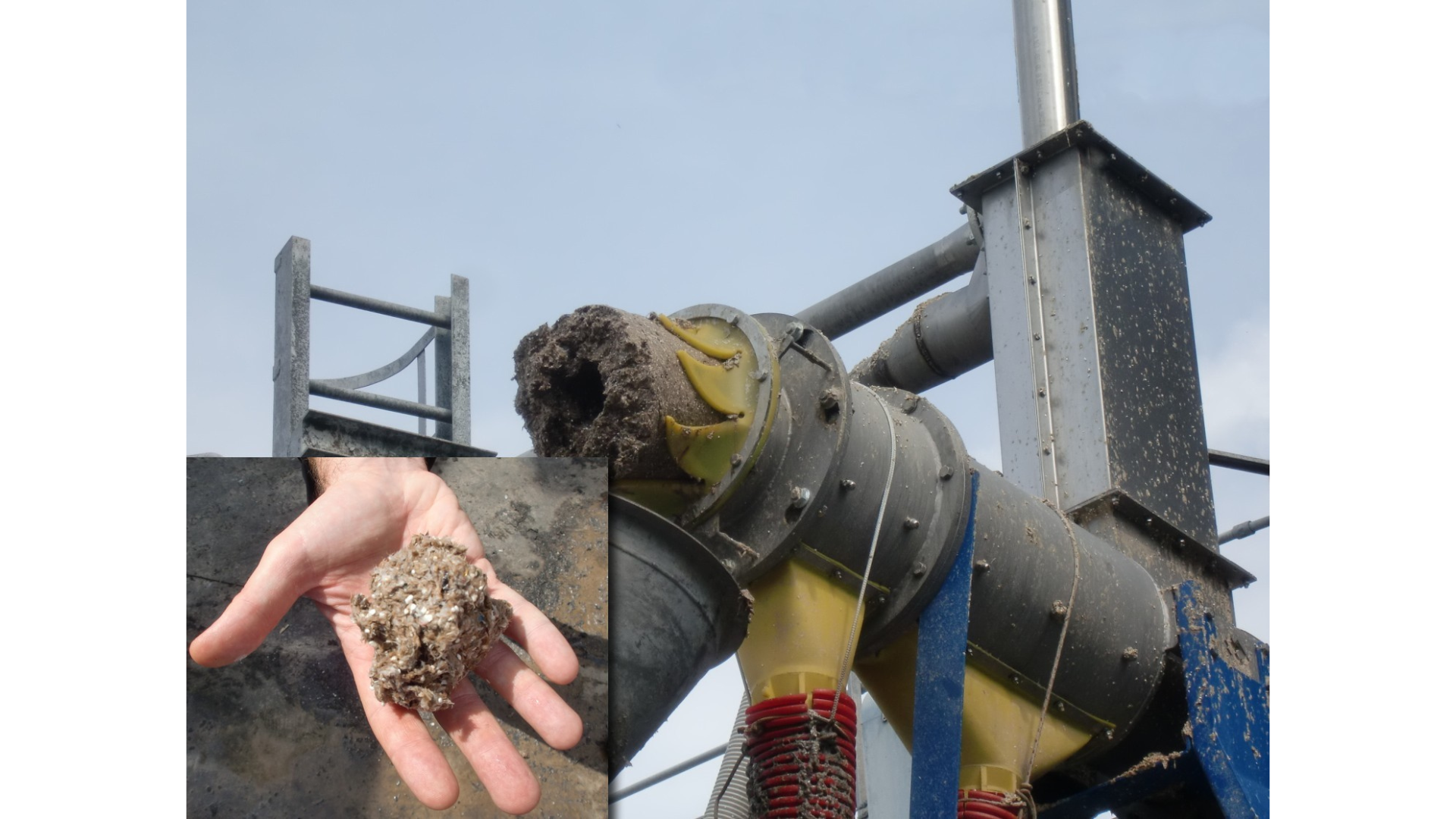
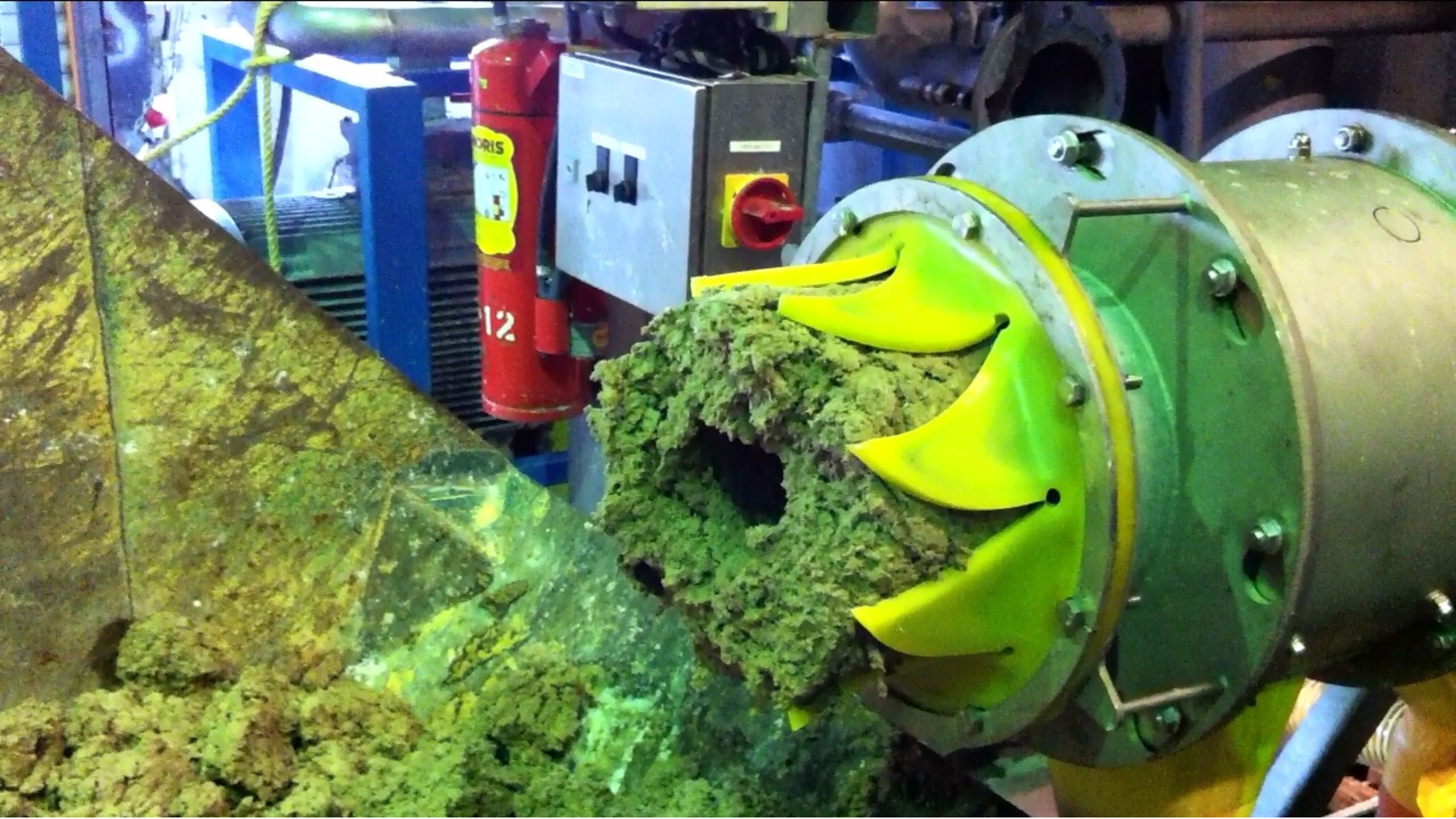
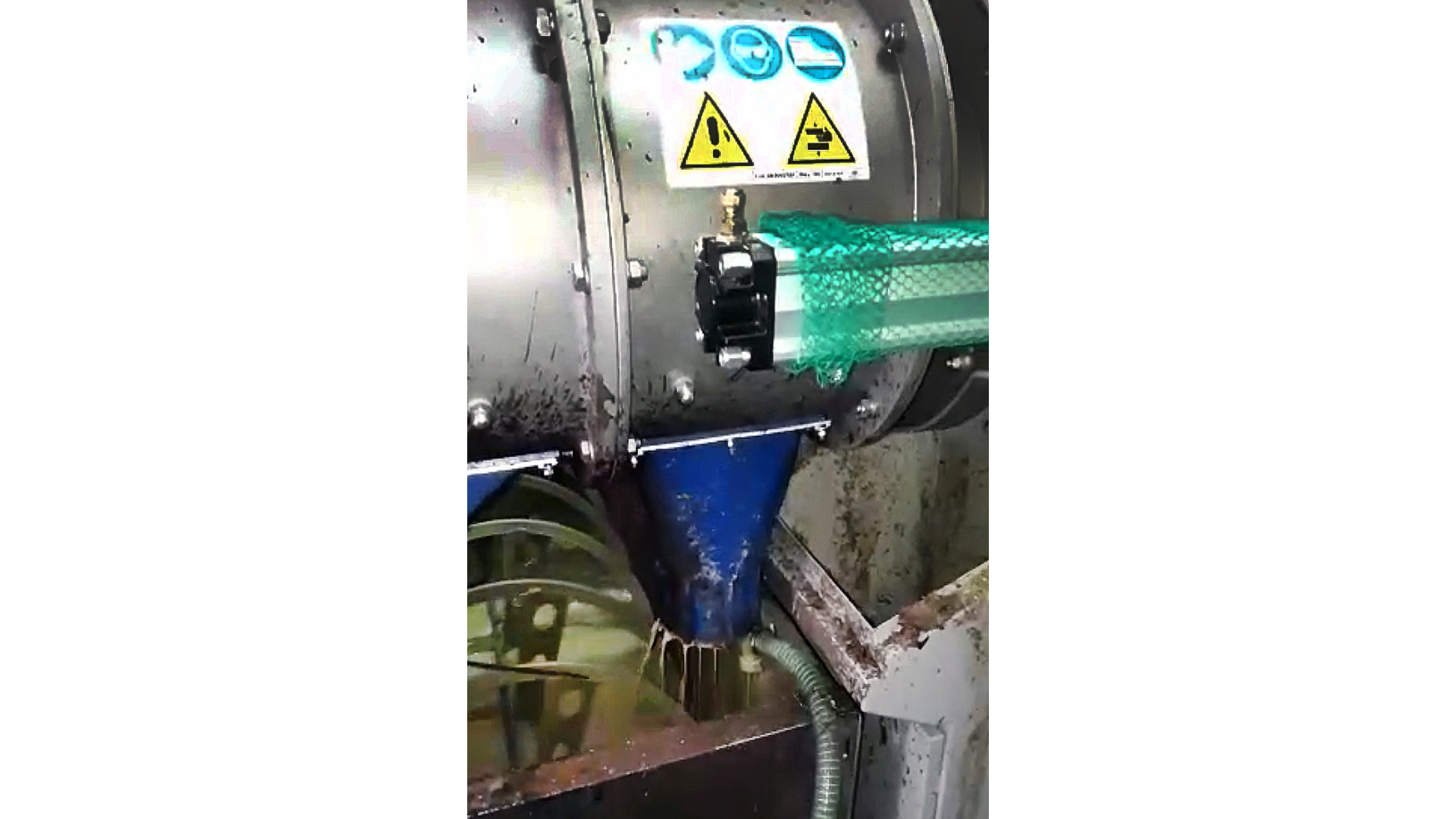
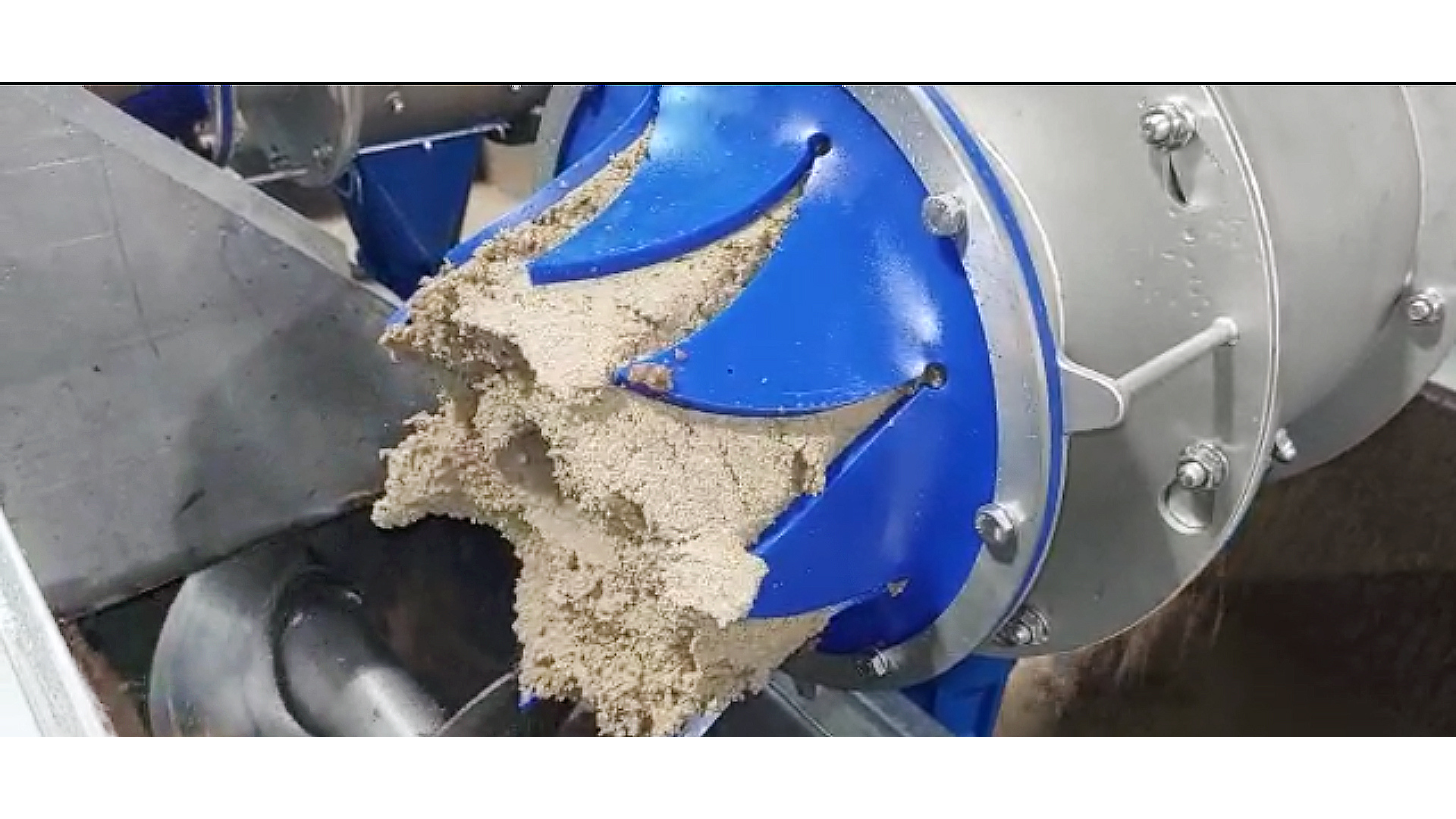
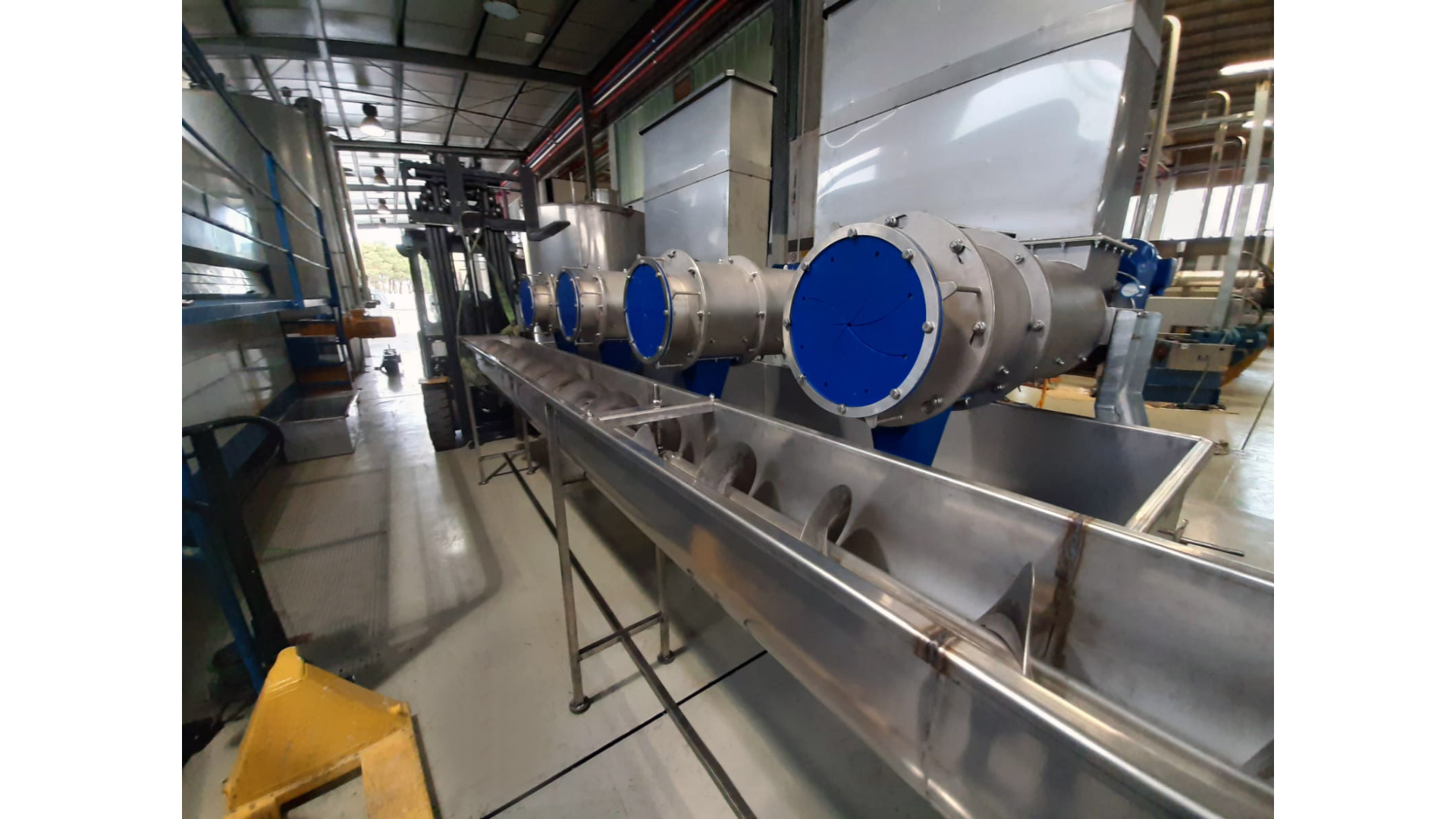
The rumen material generated during the slaughtering process is processed using SEPCOM Horizontal Screw Press Separators. These machines efficiently separate the waste stream into liquid and solid fractions. The liquid fraction is then directed to the wastewater treatment plant for further processing, while the solid fraction, having been significantly reduced in both volume and weight, can be disposed of more easily and cost-effectively.
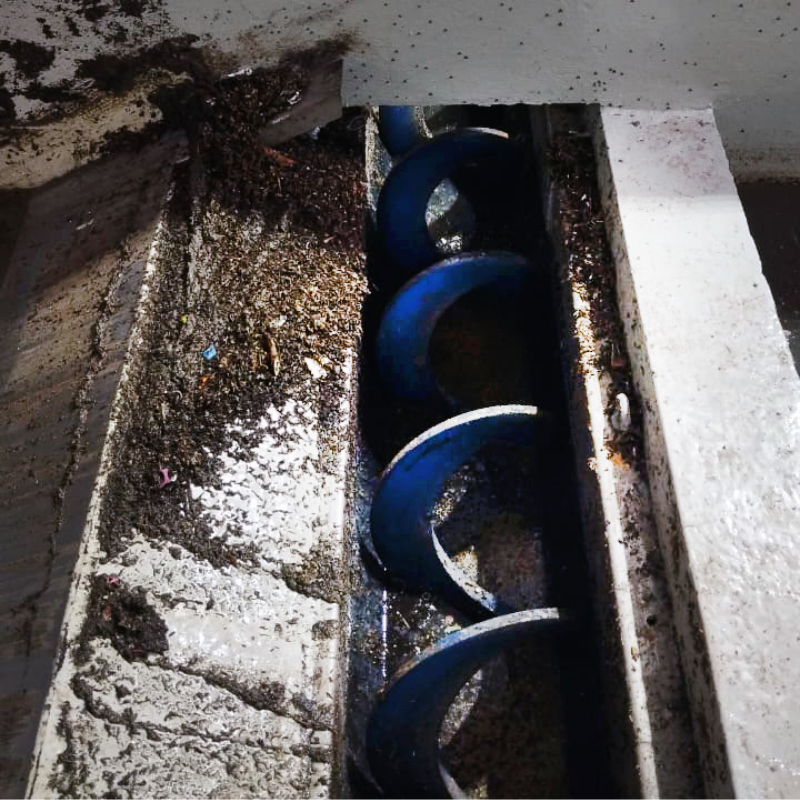
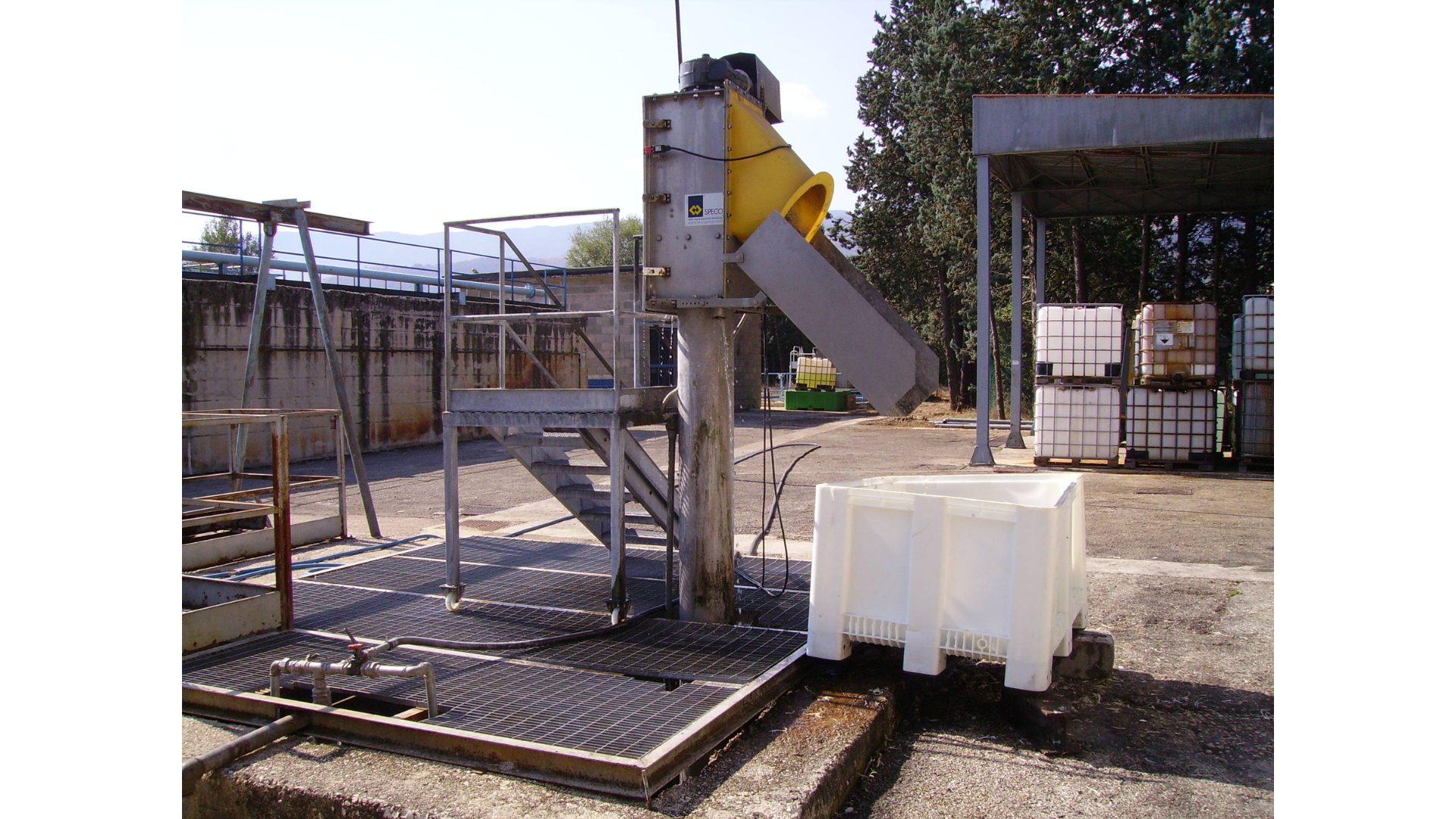
A similar process is employed in pig slaughterhouses for the treatment of stomach contents. In this application, the green line is characterised by a lower fibre content, making the SEPCOM Vertical Screw Press Separator fitted with SINT engineering polymer screws the ideal solution. As with cattle processing, the separated solid fraction is disposed of, while the liquid fraction is sent to the wastewater treatment plant for treatment, ensuring efficient waste management and compliance with environmental standards.
Wastewater Treatment in the Plastics Industry
Wastewater treatment in the plastics industry involves removing contaminants from water used in manufacturing, moulding, extrusion, washing, recycling and finishing operations, allowing it to be safely discharged or reused. Wastewater from these processes often contains plastic particles, microplastics, suspended solids, oils, chemical additives and cleaning agents. Treatment typically includes screening, oil separation, coagulation and flocculation, sedimentation, biological treatment where required, and advanced filtration technologies. The primary objectives are to prevent microplastic pollution, reduce water consumption through recycling, comply with environmental regulations and lower operational costs. Modern facilities increasingly adopt closed-loop water systems and membrane filtration solutions to maximise water recovery and minimise wastewater discharge.
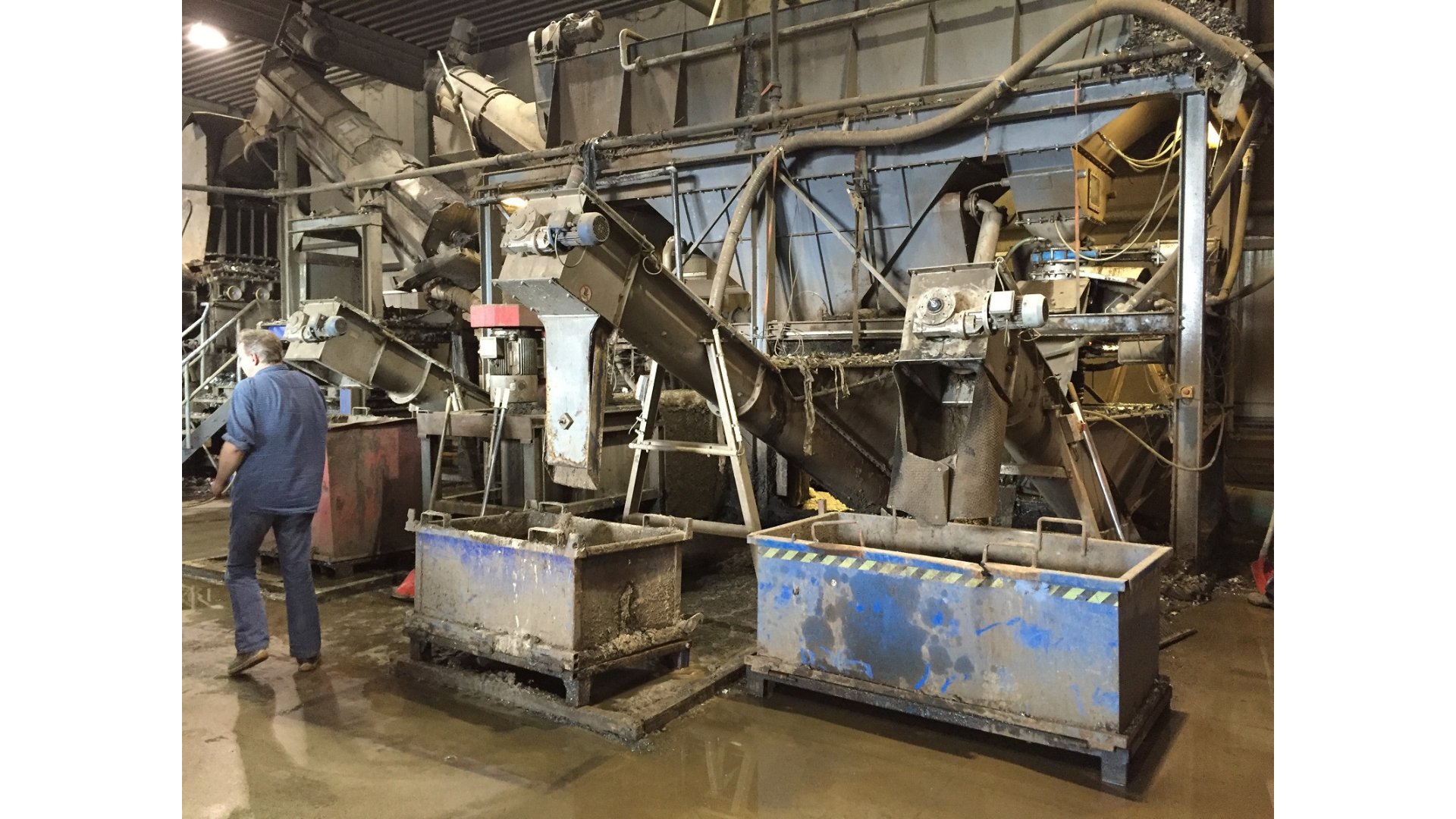
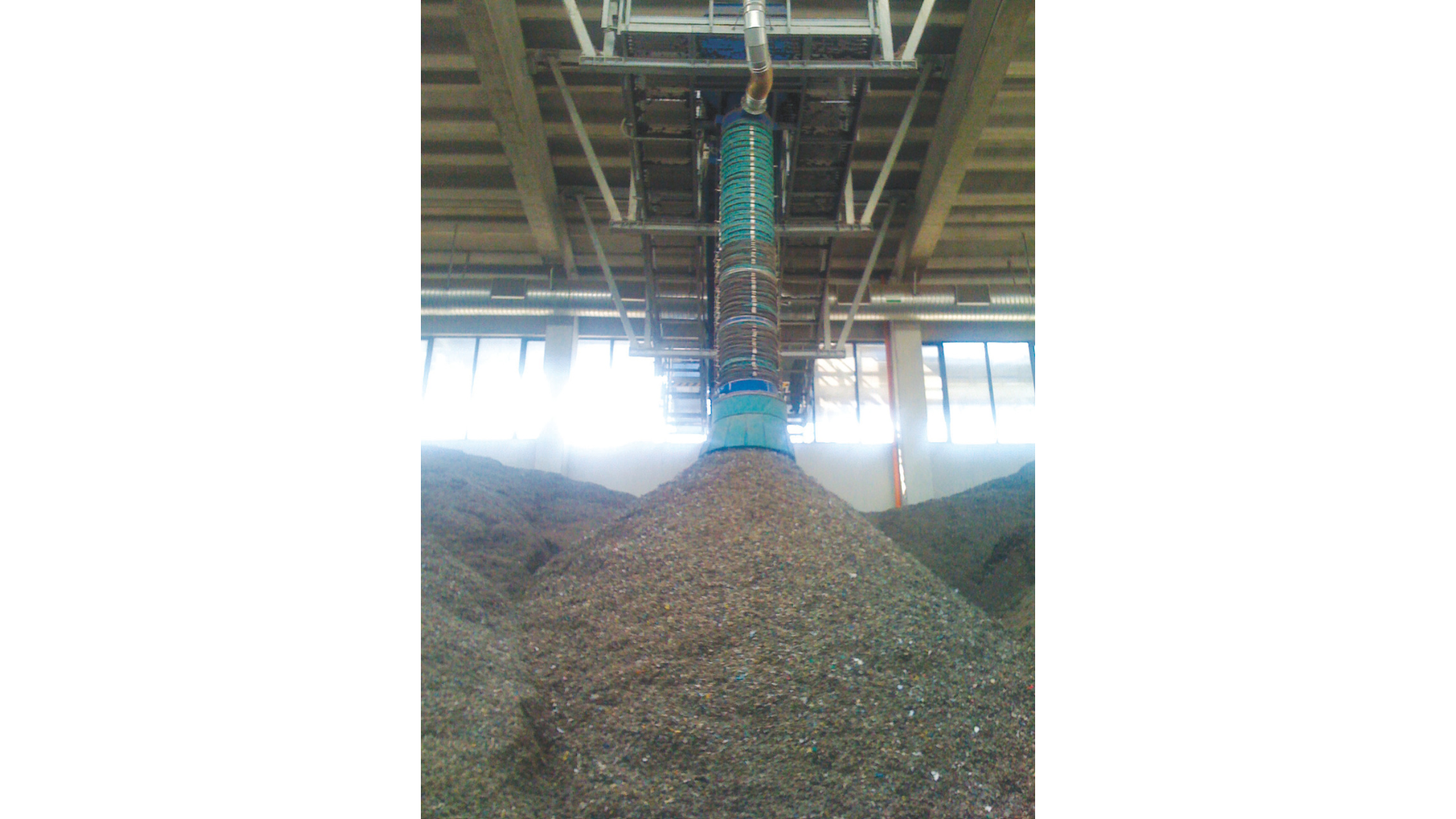
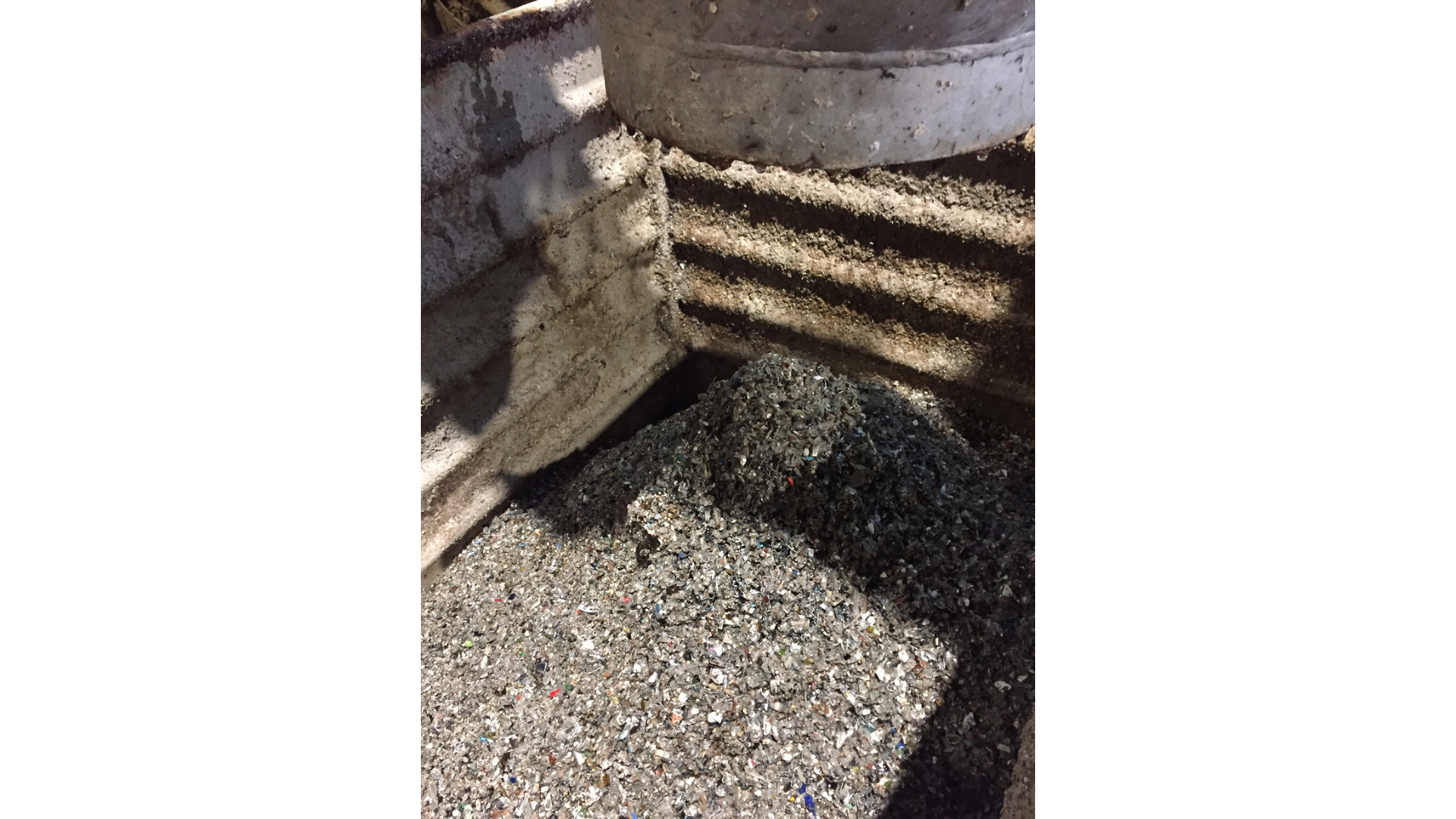
In plastics recycling facilities, recovered plastic materials undergo thorough washing to remove residual contaminants such as oils, detergents, inert materials and other impurities. Following the initial cleaning stage, the plastic is shredded and washed again, resulting in clean plastic flakes with a high moisture content.
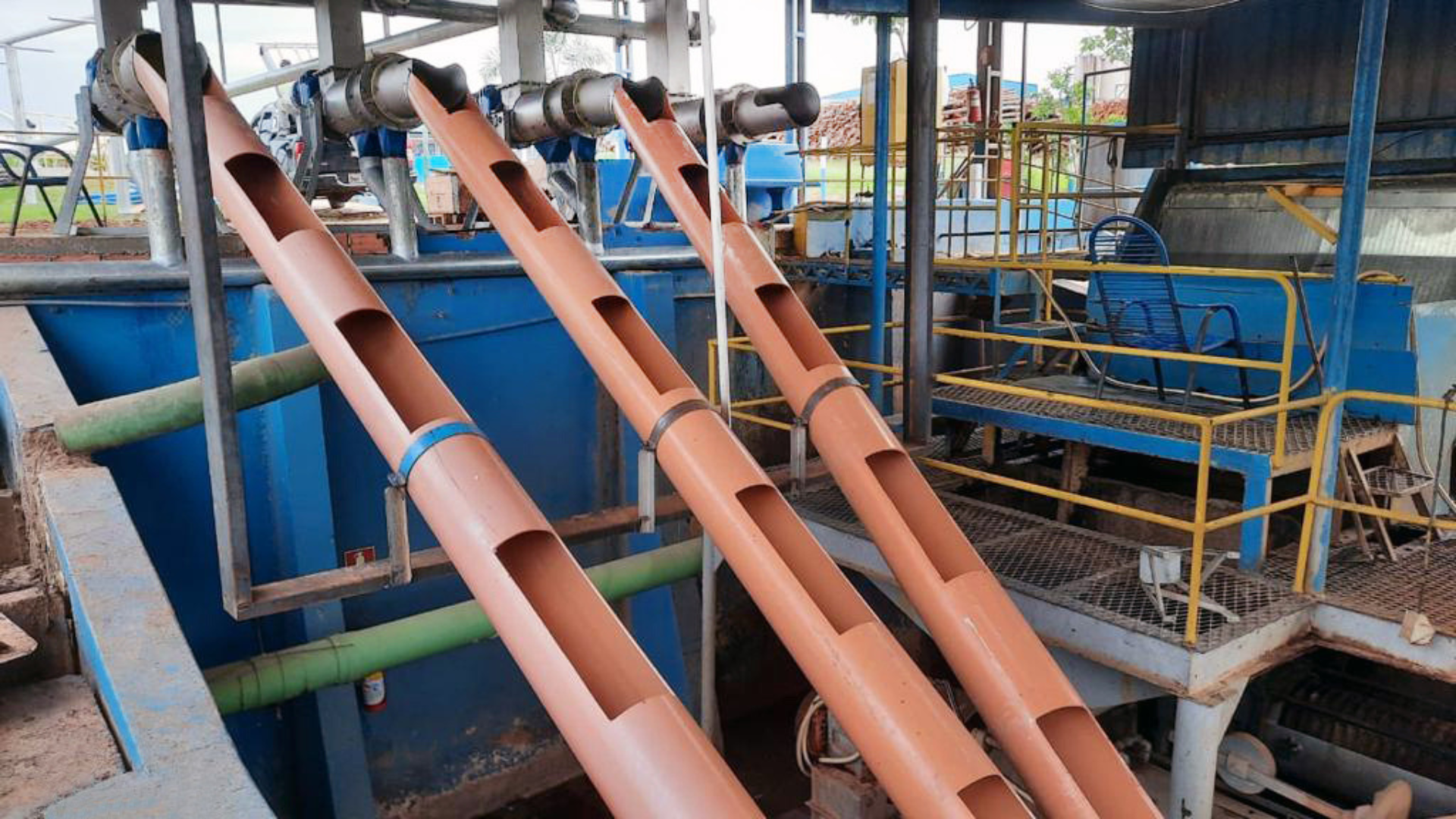
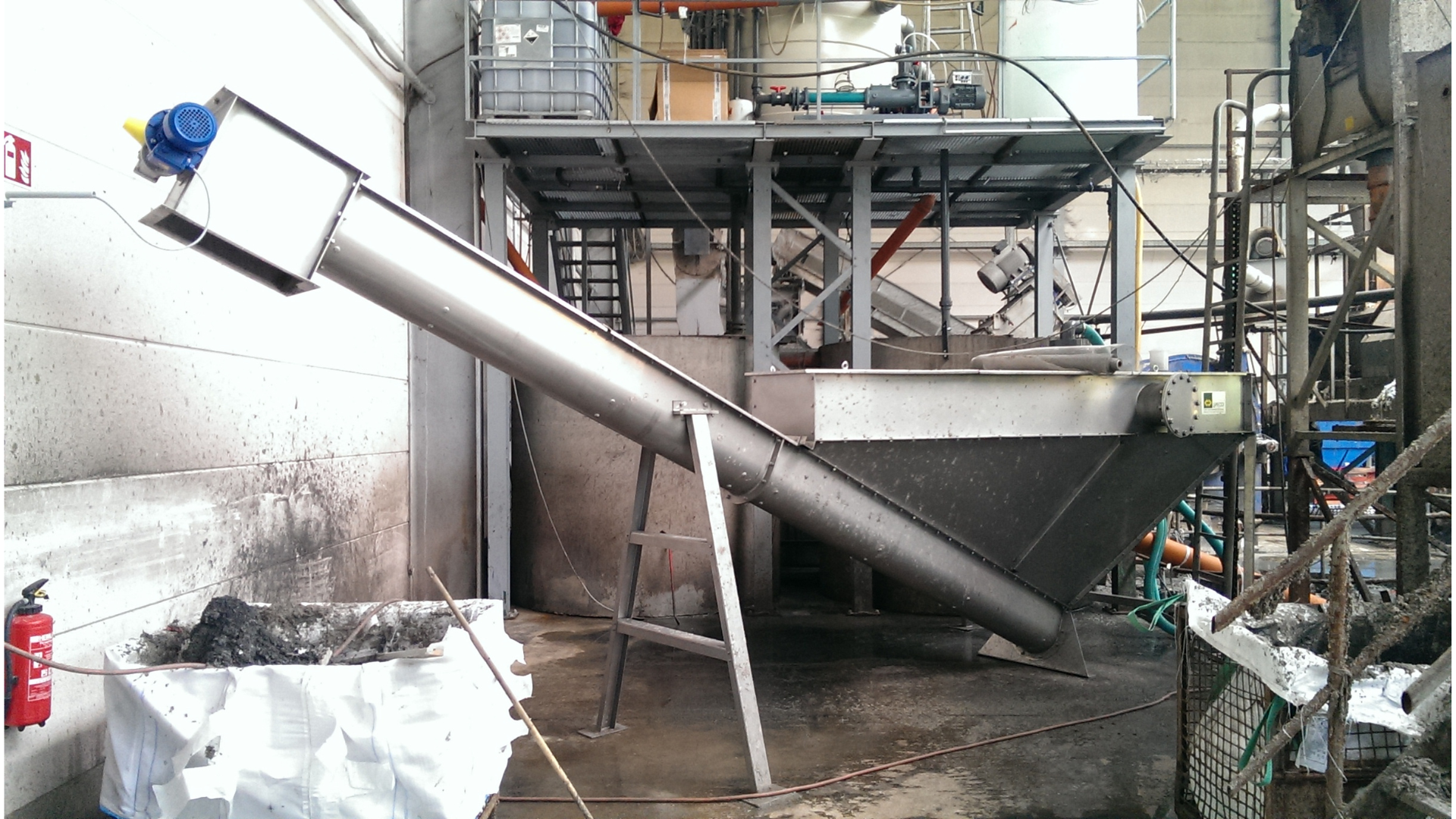
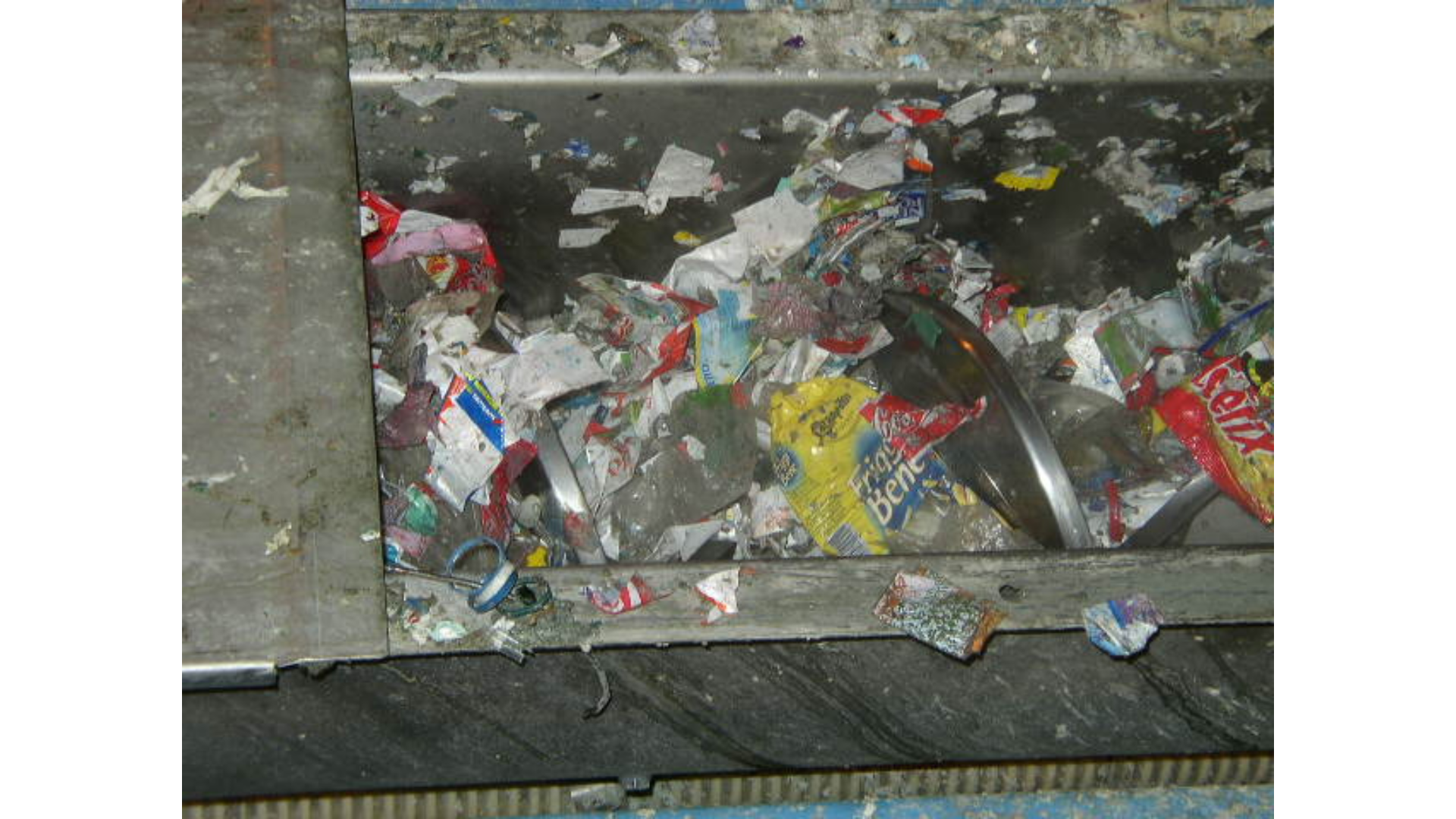
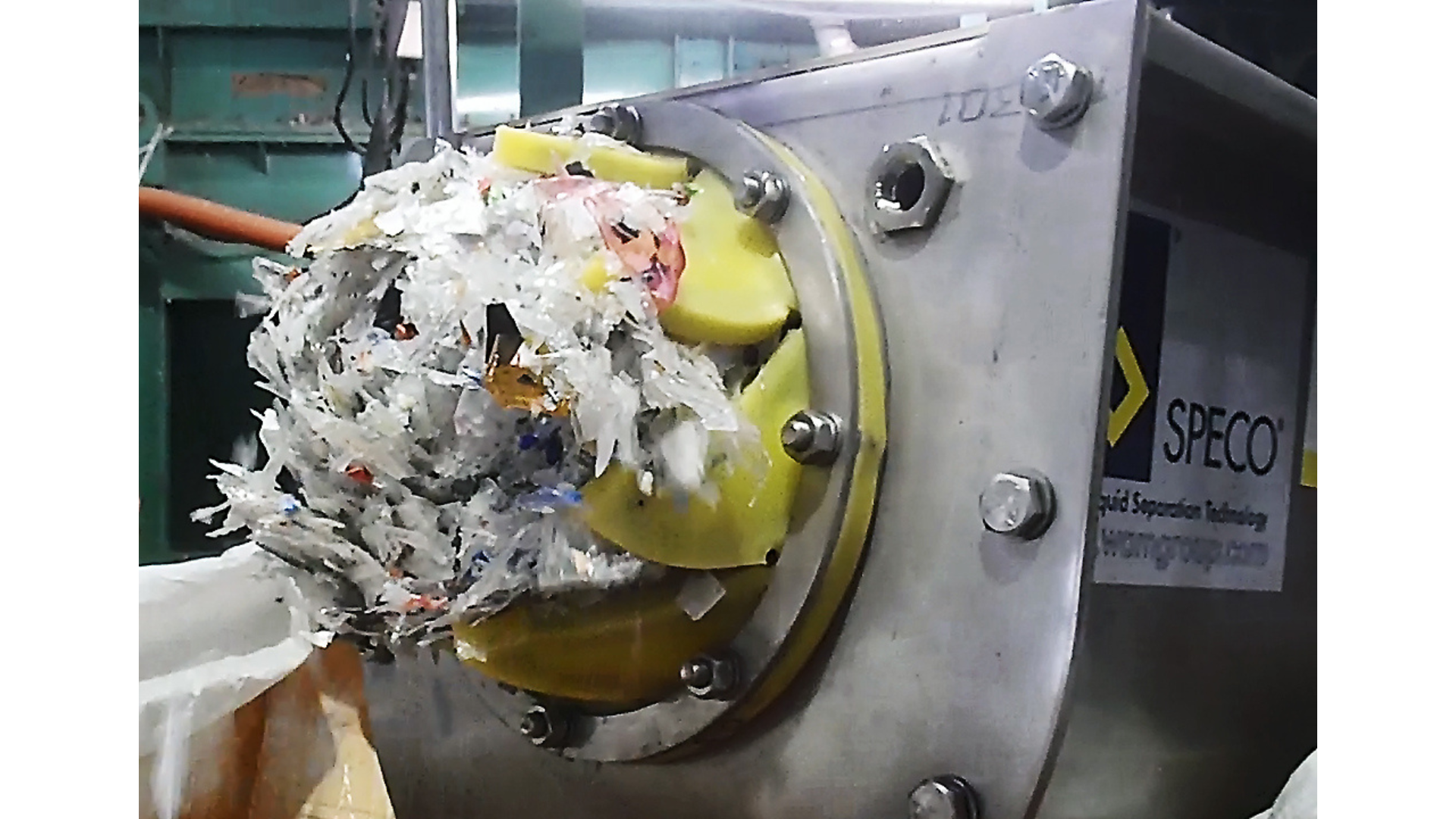
To prepare the material for further processing, the flakes are discharged into a WASTECOM CPS Screw Compactor, which efficiently conveys, dewaters and compacts the plastic before discharging it into FIBCs for the next stage of the recycling process. During the washing operations, significant quantities of non-recyclable waste, including paper labels and other lightweight materials, are separated from the wash water, often using vibrating screens. This material is then fed into WASTECOM CPS Screw Compactors, where it is dewatered and compacted, substantially reducing its volume and lowering transportation and disposal costs.
As plastics recycling processes require extensive washing operations, virtually all plastics recycling facilities are equipped with a wastewater treatment plant. These plants can benefit from the installation of all SAVECO products commonly used in the municipal wastewater sector. Proven in demanding treatment applications, these technologies can be seamlessly integrated into industrial processes to improve operational efficiency, optimise solids handling and support reliable, cost-effective wastewater management.
Pulp & Paper Wastewater Treatment
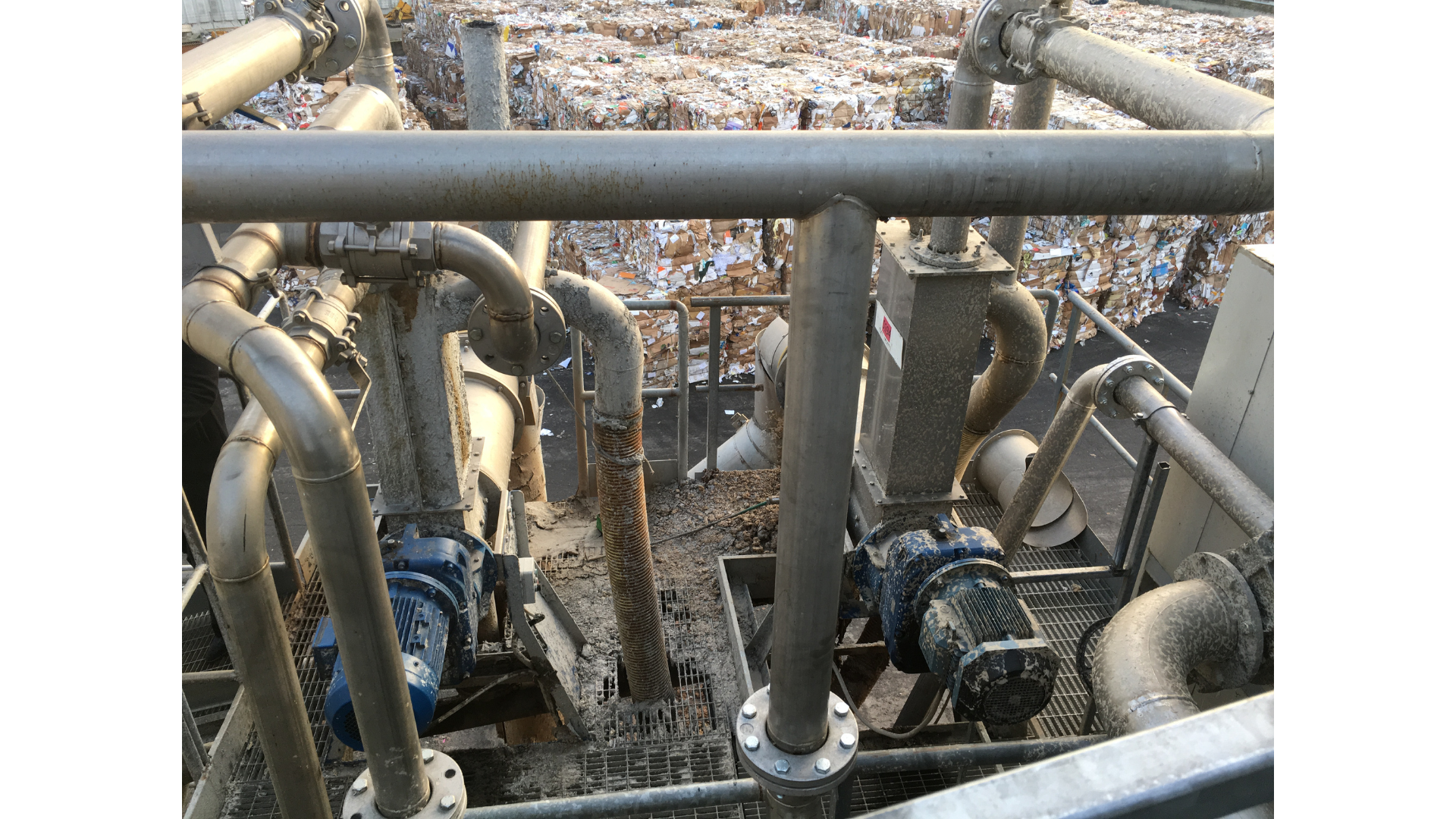
The pulp and paper industry generates significant volumes of wastewater containing fibres, suspended solids, organic matter, lignin, process chemicals and colour compounds. Effective wastewater treatment is essential to remove these contaminants before water is discharged or reused. The process typically begins with primary treatment, where screening and sedimentation remove fibres and solids, followed by biological treatment to reduce organic pollutants measured as BOD (Biochemical Oxygen Demand) and COD (Chemical Oxygen Demand). Where stricter discharge standards apply, advanced technologies such as filtration, membrane systems and chemical treatment may be employed. The resulting sludge is thickened and dewatered for disposal or beneficial reuse. The primary goals are to reduce pollution, meet environmental regulations and maximise water recycling opportunities.
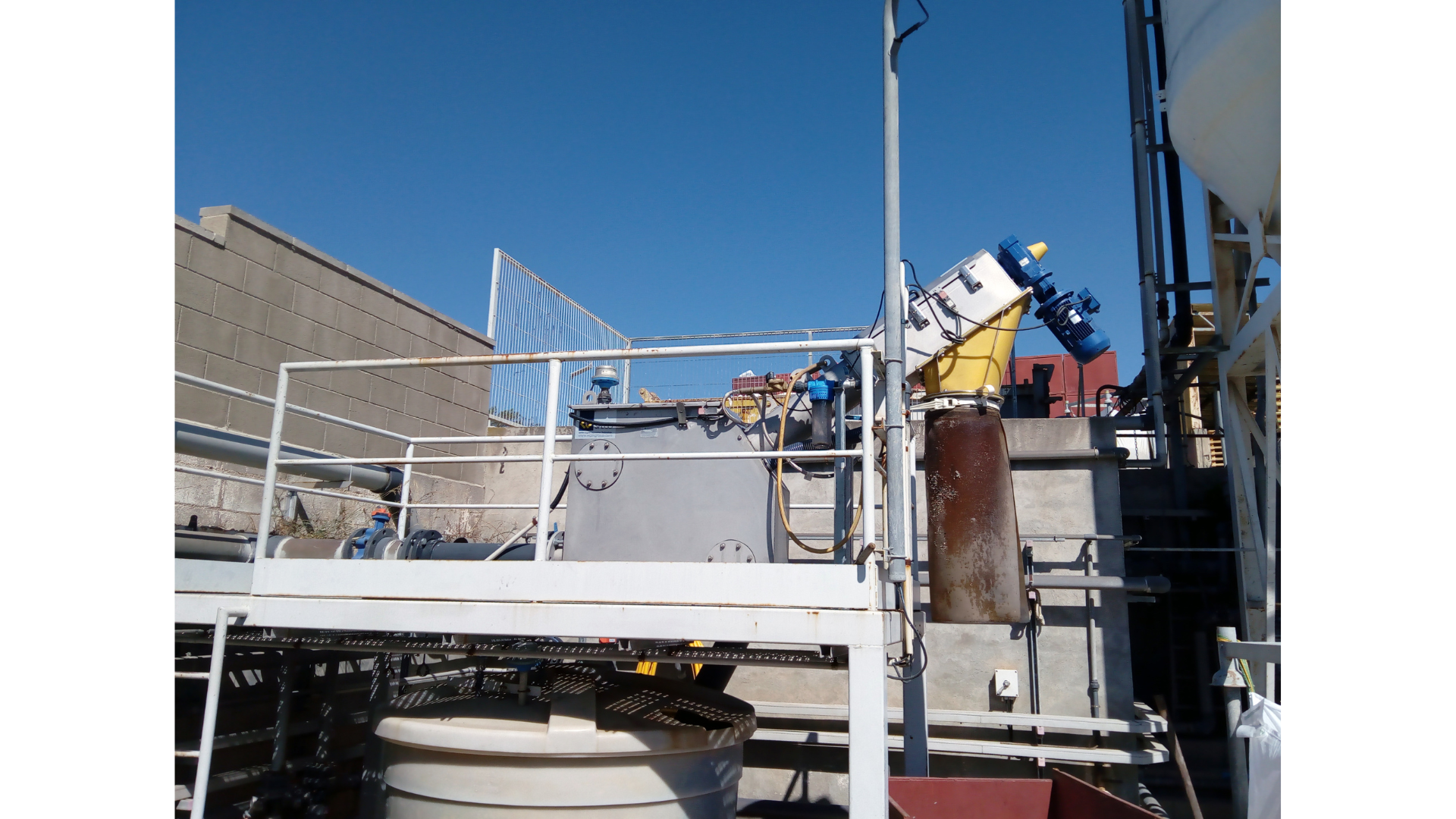
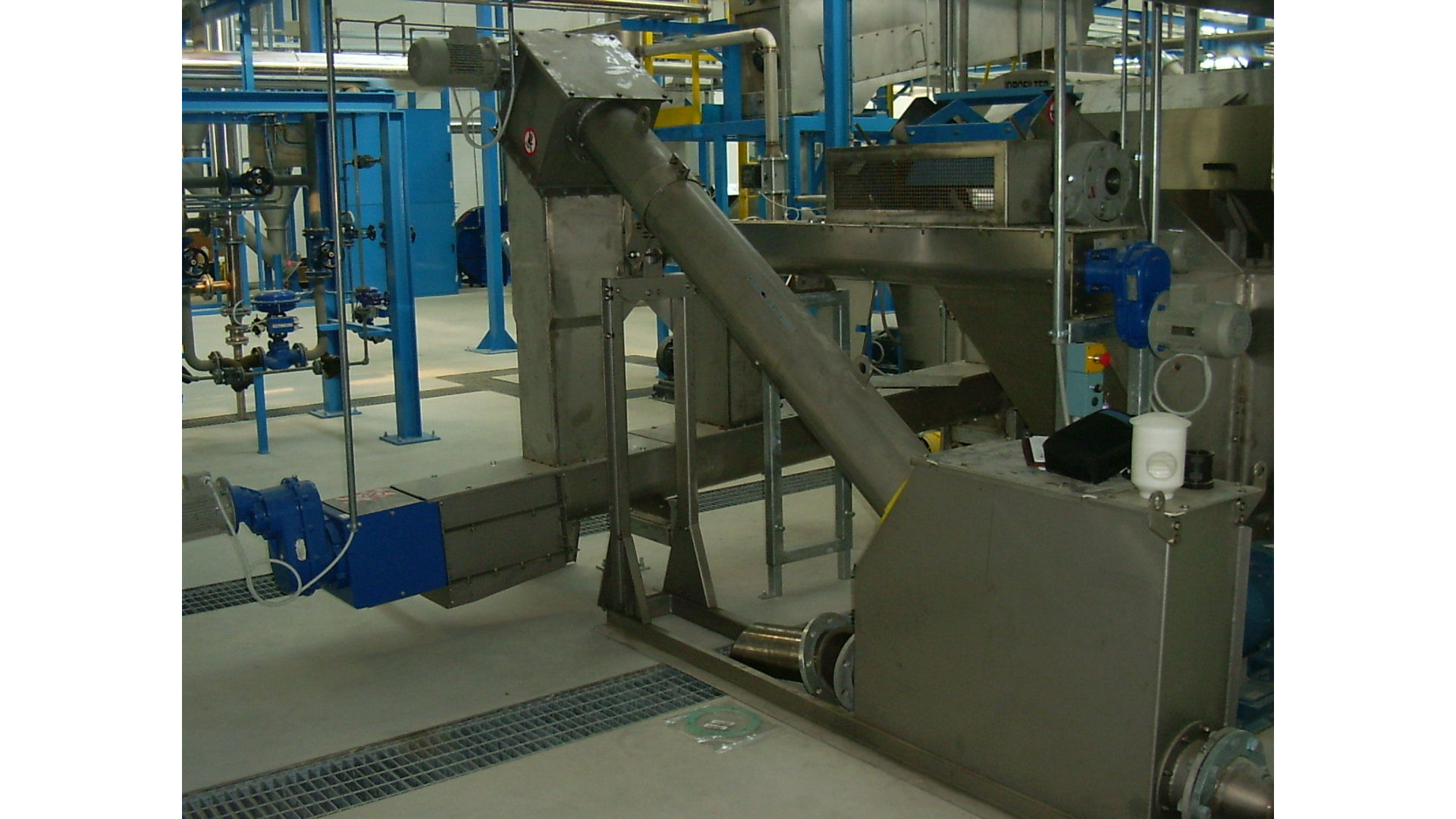
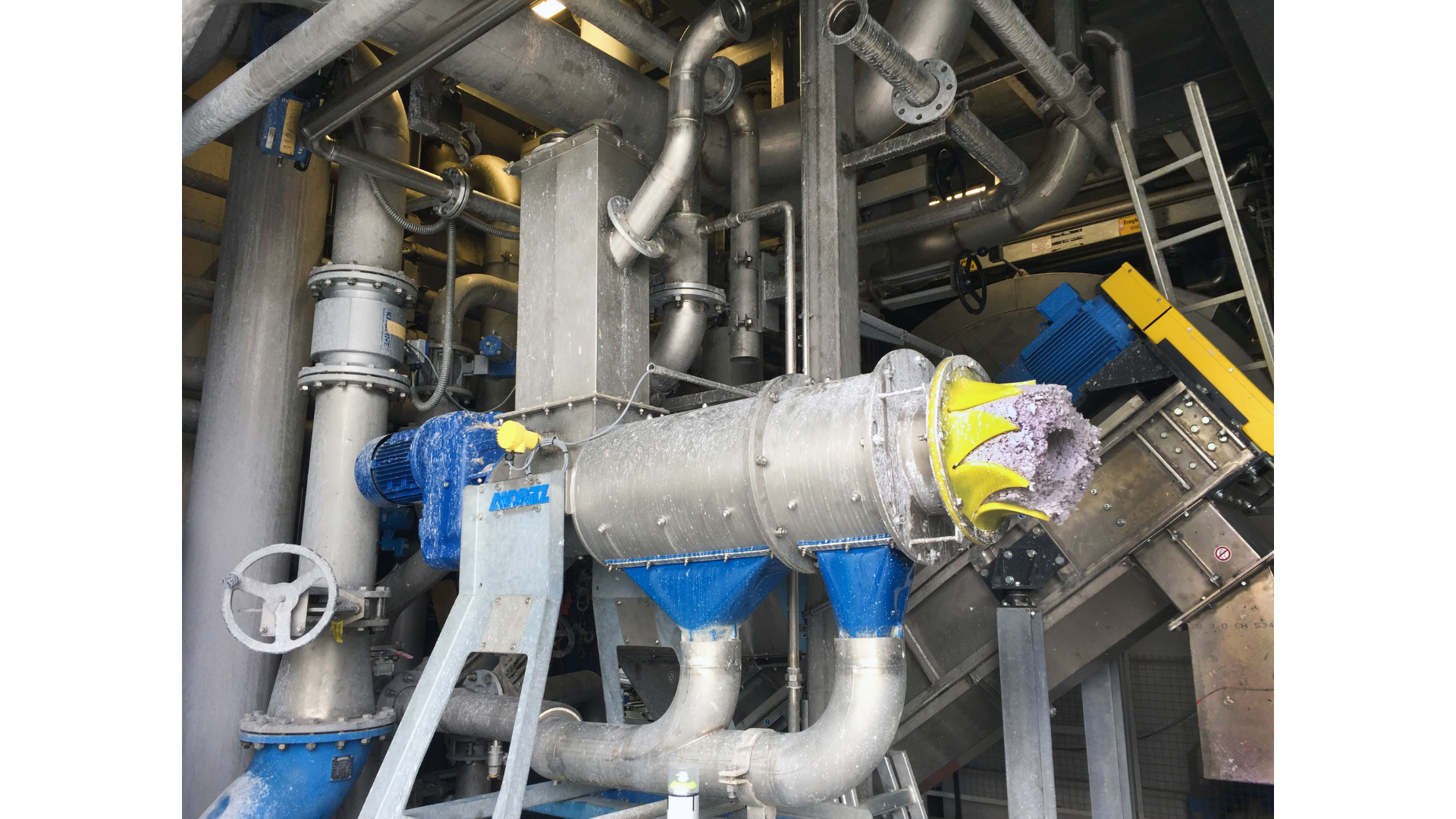
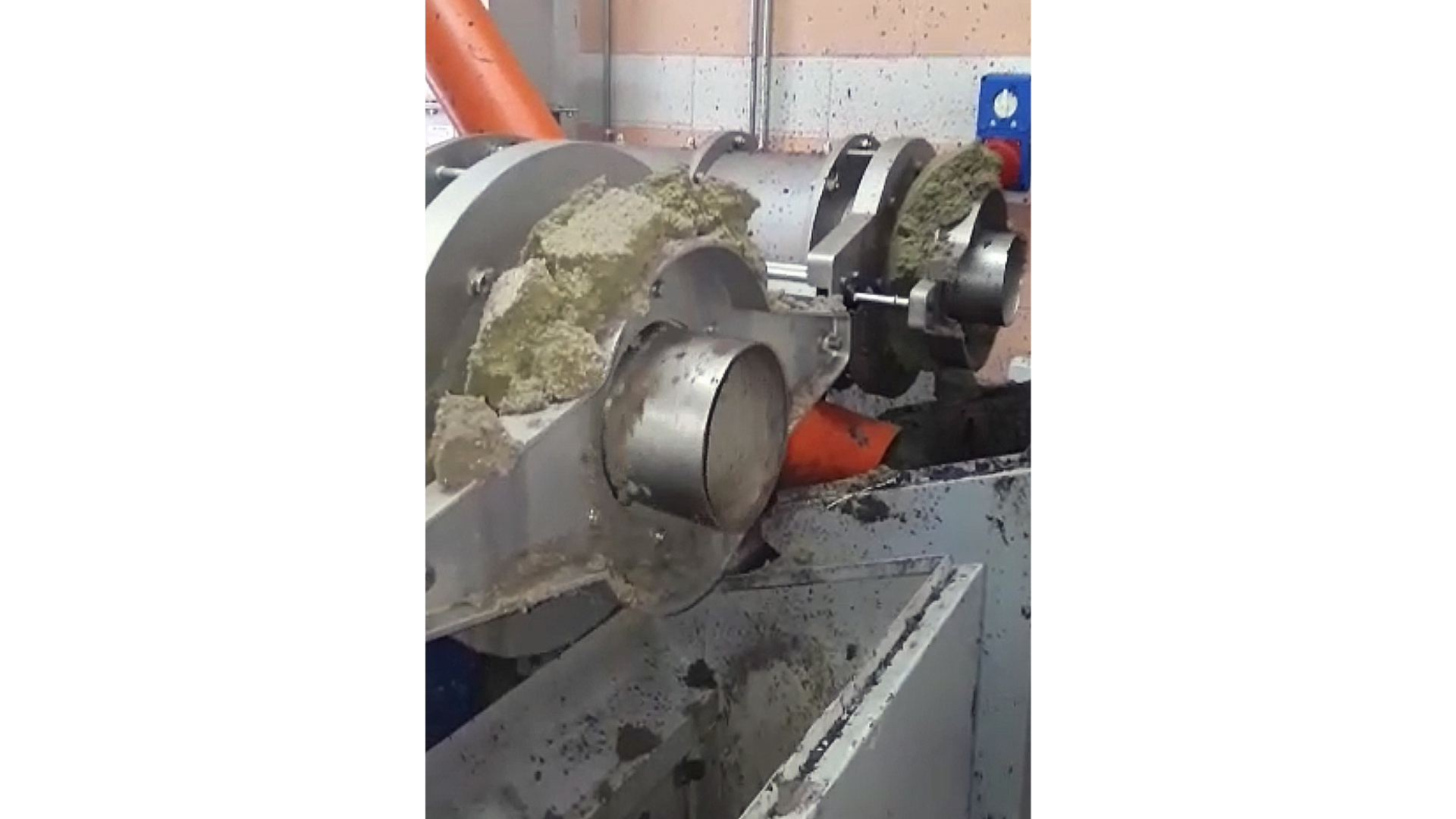
Reject material from the production process can be efficiently treated using the SEPCOM Horizontal Screw Press Separator (SEPPAP), which separates the incoming material into two distinct streams: a liquid fraction that can be easily directed to the wastewater treatment plant, and a solid fraction with significantly reduced weight and volume. This solid material can either be disposed of at lower cost or returned to the production process for reuse, supporting both operational efficiency and resource recovery.
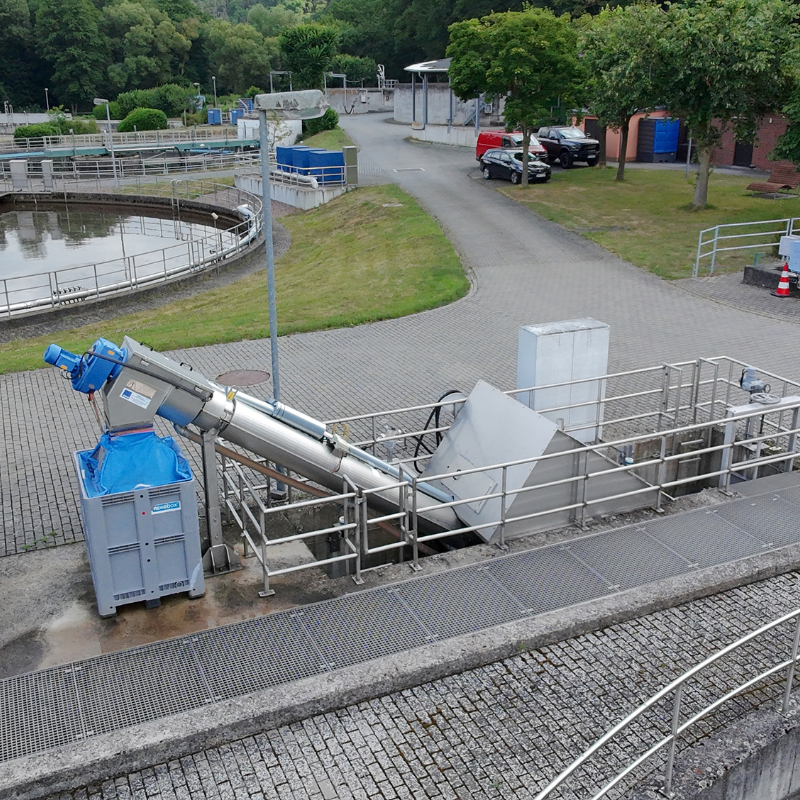
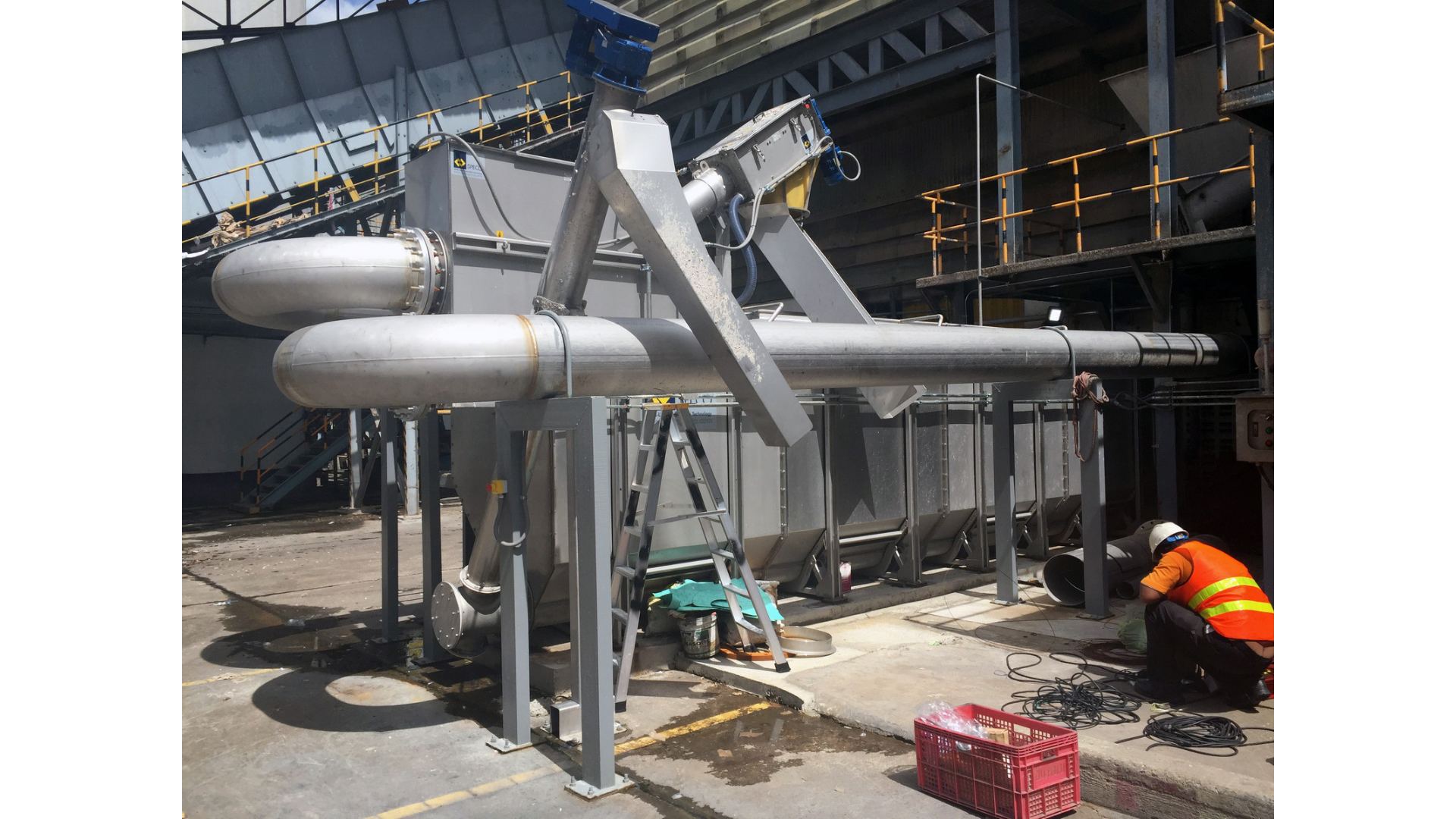
Effective screening and grit removal are also essential in pulp and paper wastewater treatment applications where large volumes of process water are used. Water streams containing suspended solids and impurities can be treated using a range of screening technologies. For low to medium flow rates, the WASTEMASTER GCP In-Channel Screw Screen with integrated compaction or the WASTEMASTER GCE Screw Screen without compaction section provide reliable solids removal. For higher flow rates or applications requiring fine screening, the WASTEMASTER VSA Drum Screen offers an efficient and proven solution.
Wastewater from pulp and paper processing often contains significant quantities of dense inert materials, including sand, grit and metal particles. To protect downstream equipment and improve treatment performance, these materials can be removed using GRITSEP DS Grit Classifiers or GRITSEP DSF Aerated Grit Chambers. Where required, the DSF can also be fitted with a floating screw conveyor to remove lighter floating materials.
Olive Processing Waste Treatment
Olive processing, particularly olive oil production, generates wastewater and solid residues containing high levels of organic matter, oils, suspended solids and phenolic compounds. Effective treatment is essential to reduce environmental impact and enable resource recovery. The process typically begins with screening, settling and oil separation to remove solids and recover residual oil. This is followed by physicochemical and biological treatment, often combining anaerobic digestion for biogas production with aerobic processes to further reduce BOD (Biological Oxygen Demand) and COD (Chemical Oxygen Demand) levels. Where required, advanced treatment technologies can remove persistent contaminants and support water reuse. Olive pomace can also be valorised through composting, biomass energy production or the recovery of valuable by-products.
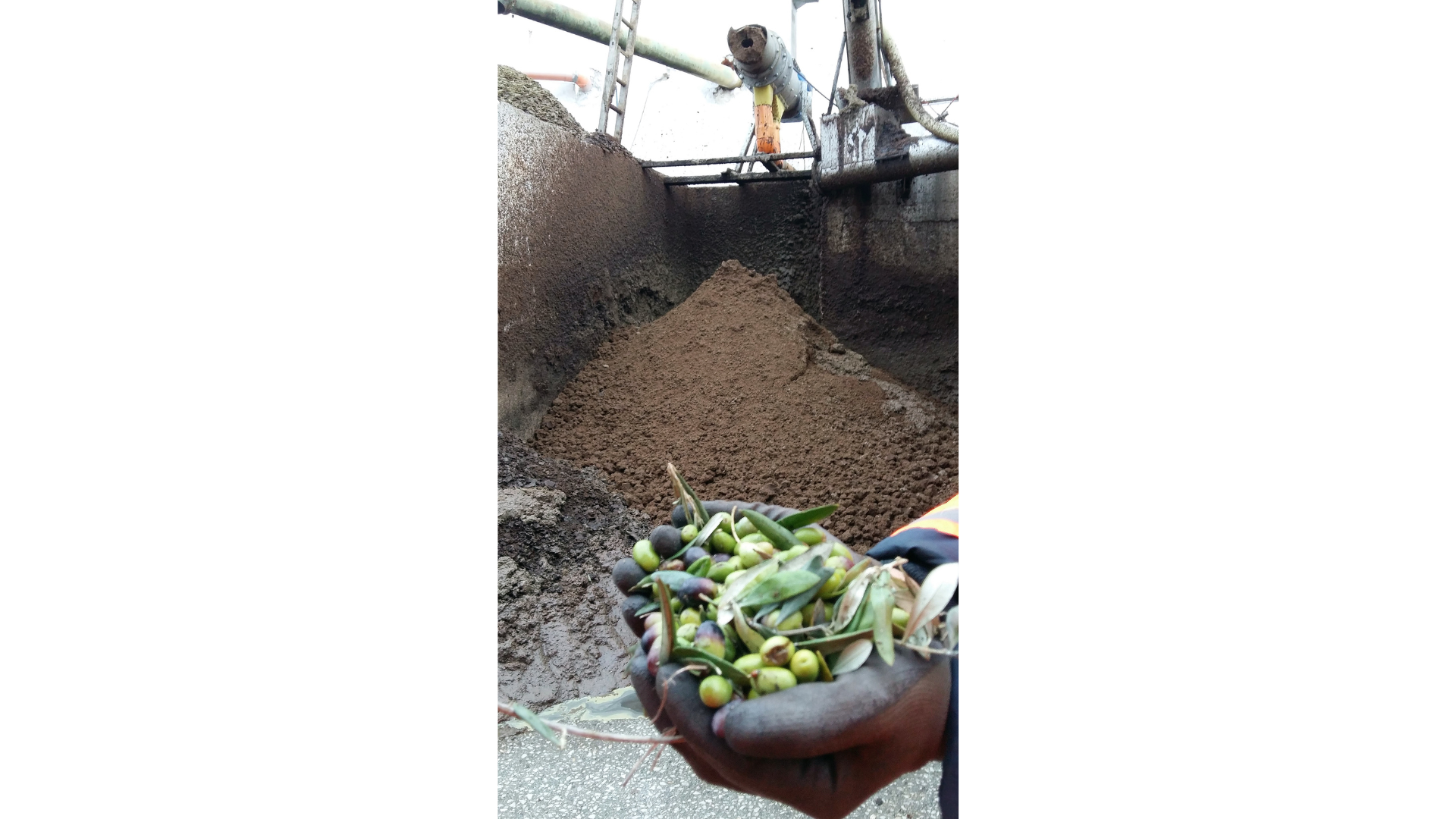
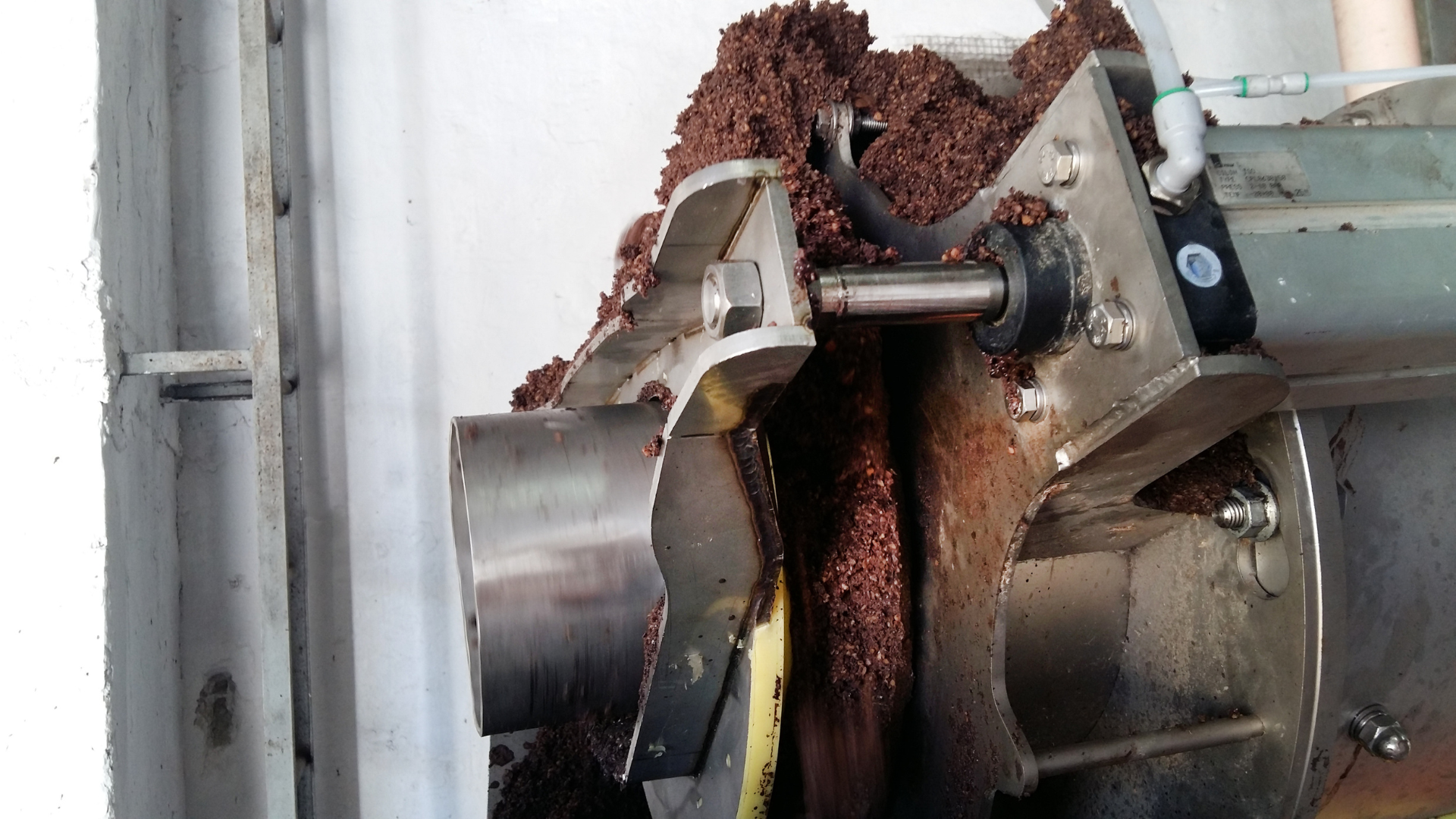
In olive oil production, CHIOR PCP Progressive Cavity Pumps are used to feed the SEPCOM Horizontal Screw Press Separators (SEPOIL), ensuring reliable handling of two-phase olive pomace discharged from the centrifuges. By using SEPCOM Screw Press Separators, the moisture content of the pomace can be reduced to approximately 50%, significantly decreasing transportation and disposal costs. The dewatered solid fraction is then sent to specialised pomace processing facilities for further recovery and valorisation, while the liquid fraction can either be disposed of or directed to biogas and biomethane plants for renewable energy generation. To support liquid handling operations, CHIOR VPH Vertical Long-Shaft Chopper Pumps with External Electric Motor can be used to empty collection tanks and load tanker vehicles for transport and disposal.
WAMGROUP®
Shared Values, Trusted Choice.
Media